


Natural SieMatic Wood Veneer for Your Kitchen Design
SieMatic wood veneer in your new kitchen
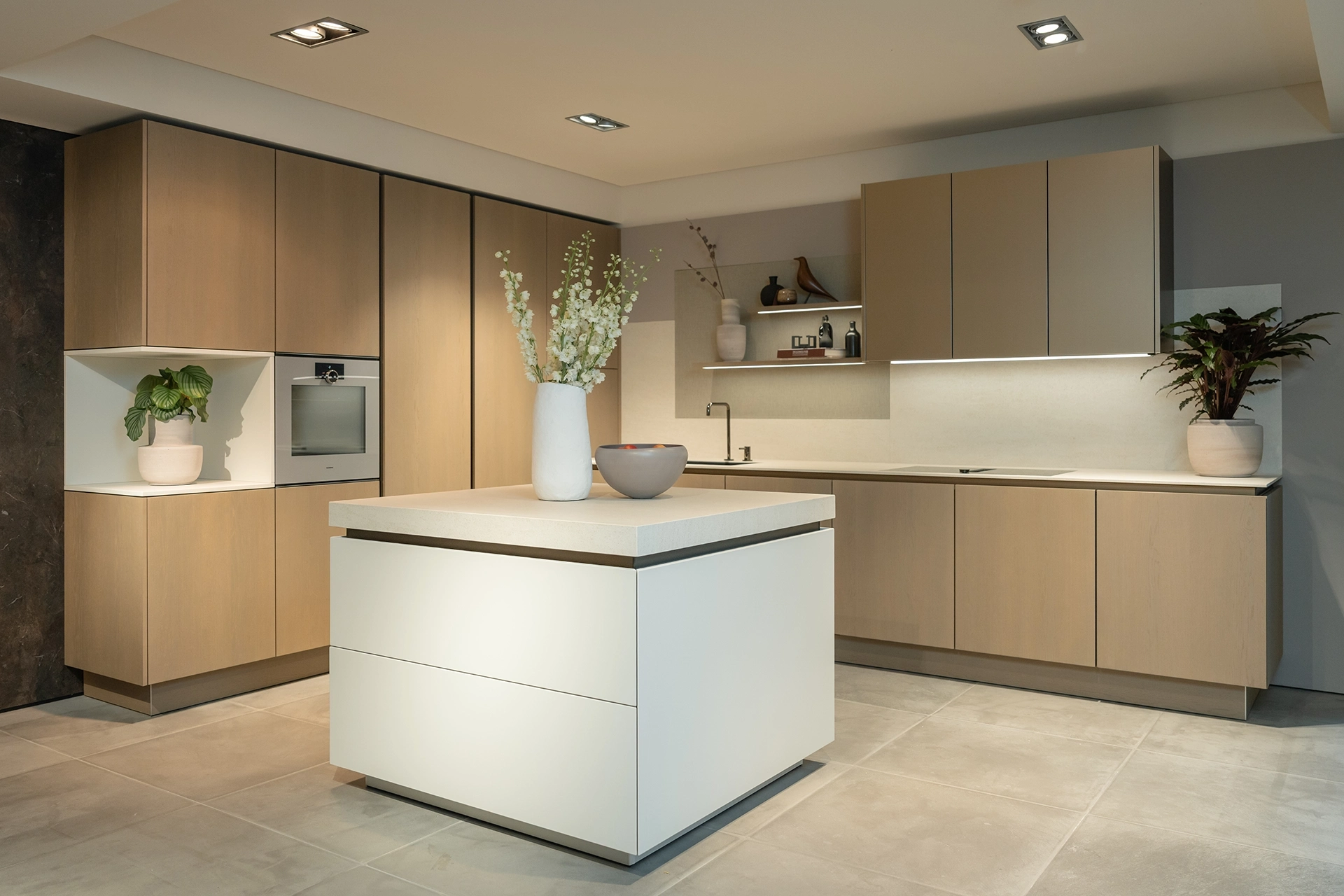
Wood brings warmth, depth, and character to a kitchen. Every type of wood has its own color, grain, and texture, meaning no two cabinet fronts are exactly alike. This gives a kitchen a natural look that can’t be replicated with a print. SieMatic uses real wood veneer: a thin layer of wood applied to a stable base. This allows you to combine the look of solid wood with the quality and dimensional stability you expect from a modern kitchen. On this page, you’ll discover the various wood types, finishes, and design options within the SieMatic collection. This will give you a good idea of what makes wood veneer special and which style best suits your interior.

Why choose wood veneer?
Real wood has a look that cannot be fully replicated. When you run your hand over a wooden cabinet front, you can feel the natural texture of the grain. Wood also reacts to natural light, causing its color and depth to change subtly throughout the day.
SieMatic wood veneer consists of a thin layer of real wood on a stable base. This allows you to combine the warm appeal of solid wood with the quality and dimensional stability you expect from a modern kitchen. Because wood is a natural product, every cabinet front has its own grain pattern and texture. It is precisely these small differences that give a kitchen its authentic character and make every design unique.
The properties and finishes of SieMatic wood veneer
SieMatic wood veneer is designed for everyday use. All wood fronts are finished with a matte PUR lacquer that protects against cooking fumes, dirt, and light impacts. This preserves the natural look of the wood while making the fronts easy to maintain. For those who want to emphasize the wood’s texture even more, SieMatic also offers 1.4-millimeter thick veneer. This veneer is deeply brushed, making the grain and pores more visible and tactile. The darker pores give the wood extra depth and a robust appearance. Because wood is a natural product, no two cabinet fronts are exactly alike. Minor variations in color, grain, and texture are inherent to the material and give every kitchen a unique look.
Design options and available wood colors
From light oak to dark walnut and from a subtle wood grain to deeply brushed veneer. The SieMatic wood collection offers a variety of colors and finishes that can be easily combined with lacquer, stone, ceramic, and metal. Discover all the wood veneer colors in the SieMatic collection below.
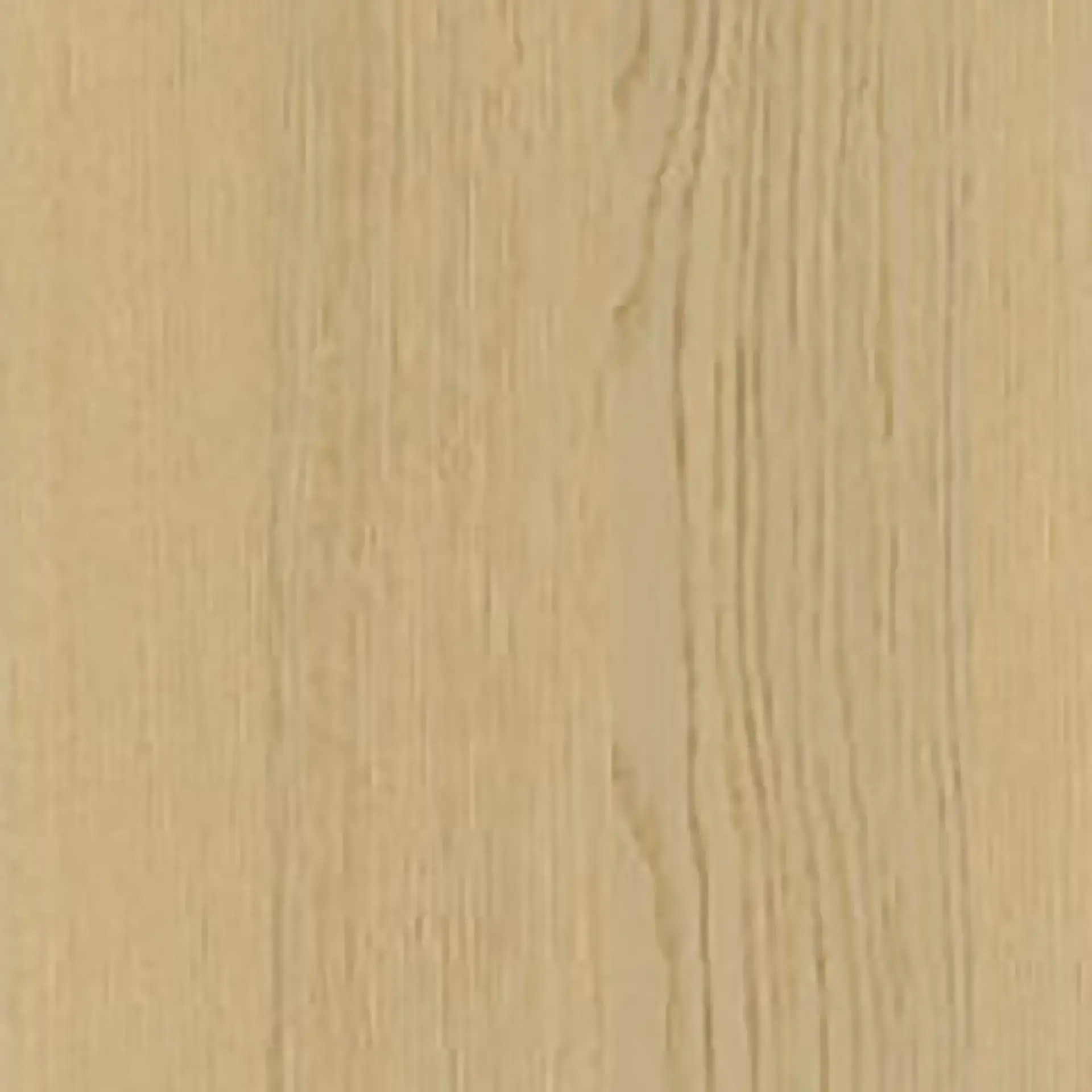
Oak Amara
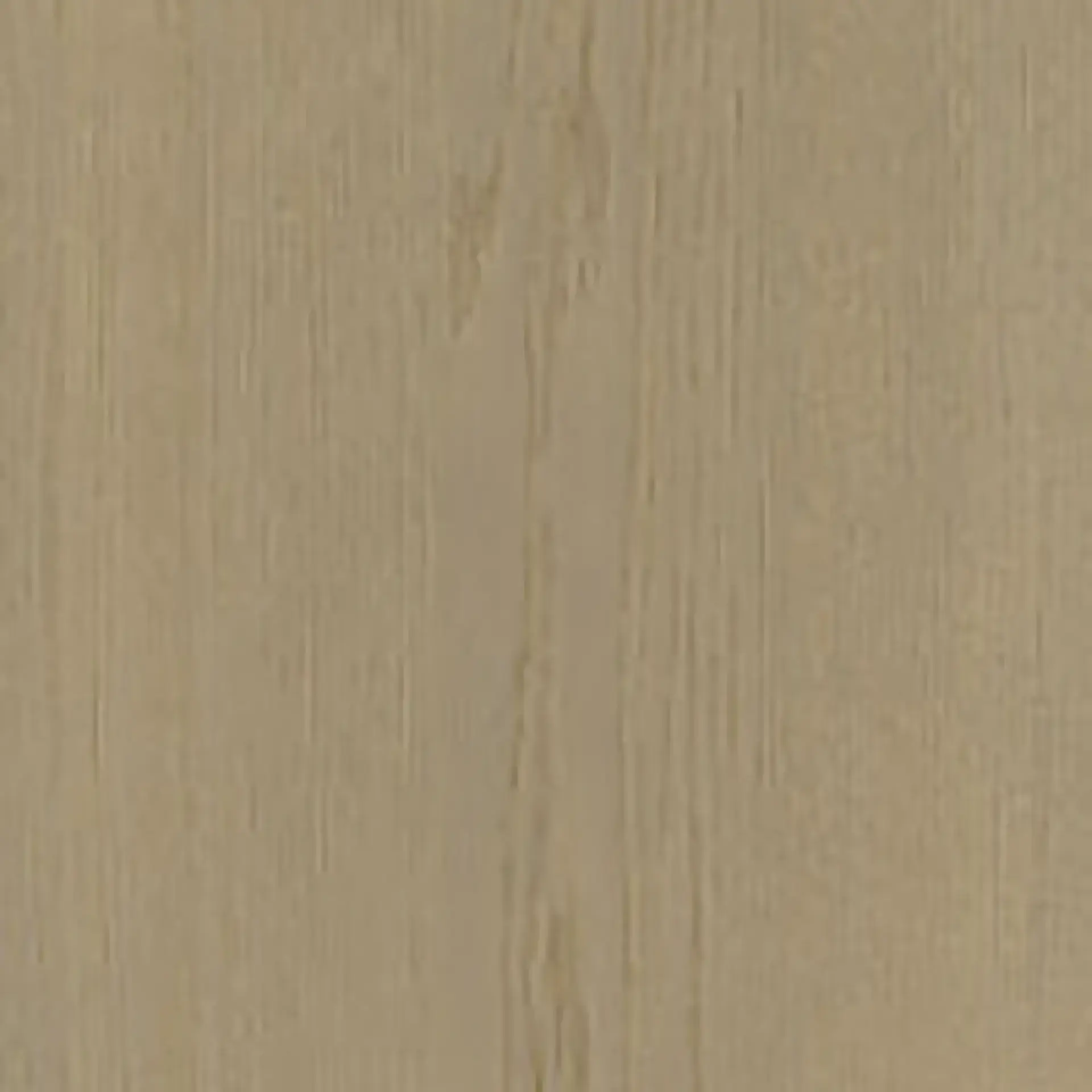
Oak Quartz
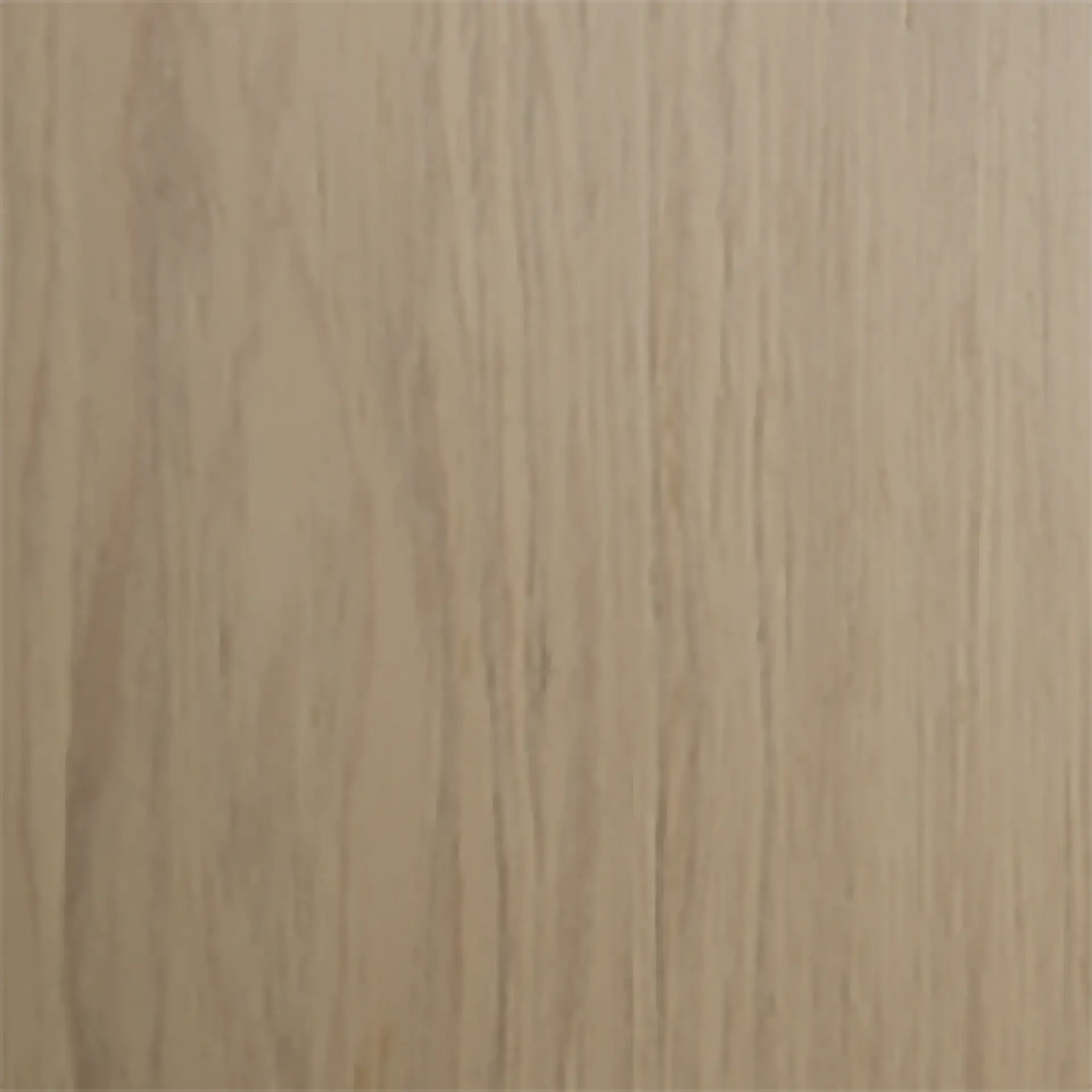
Flamed Travertine Oak
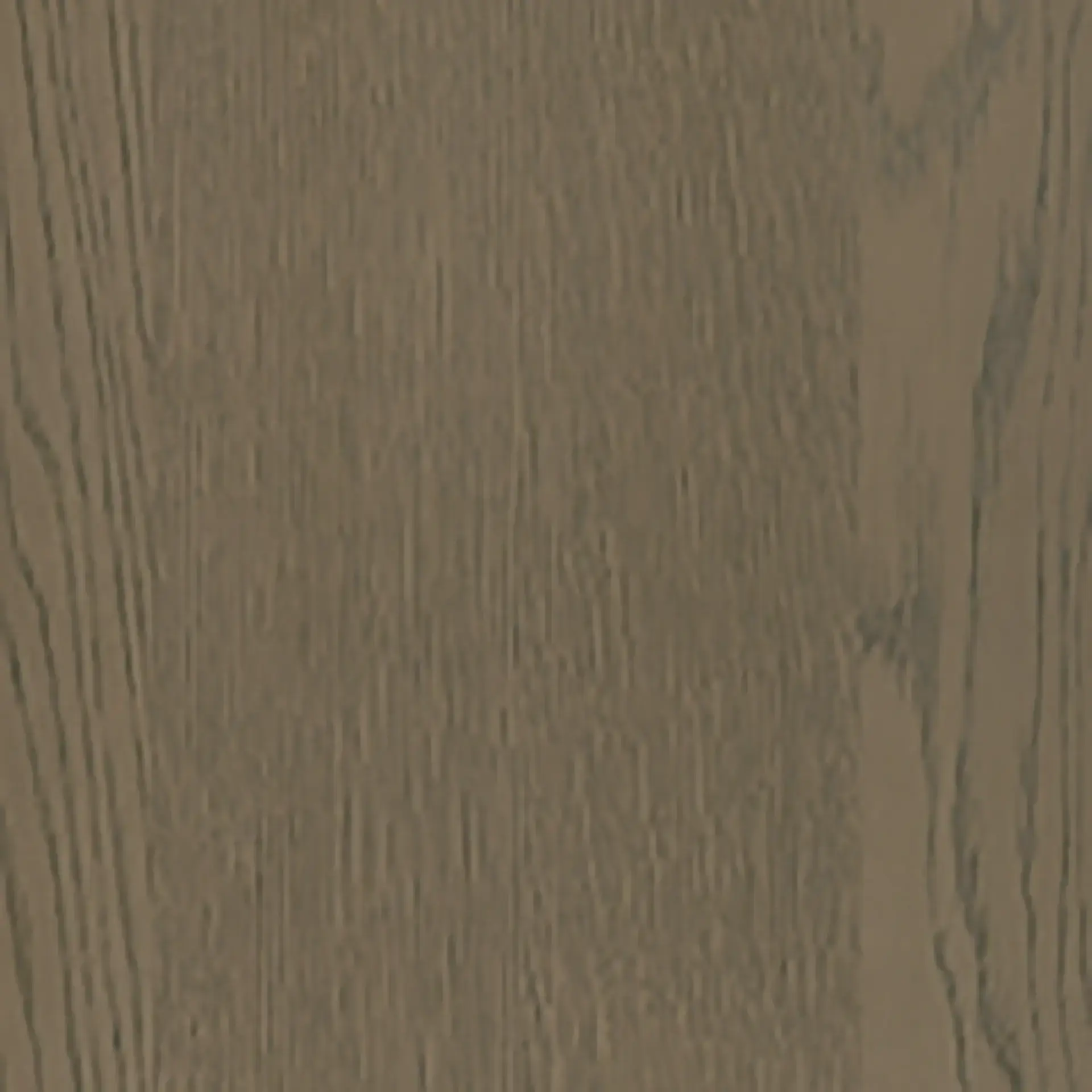
Oak Kandis
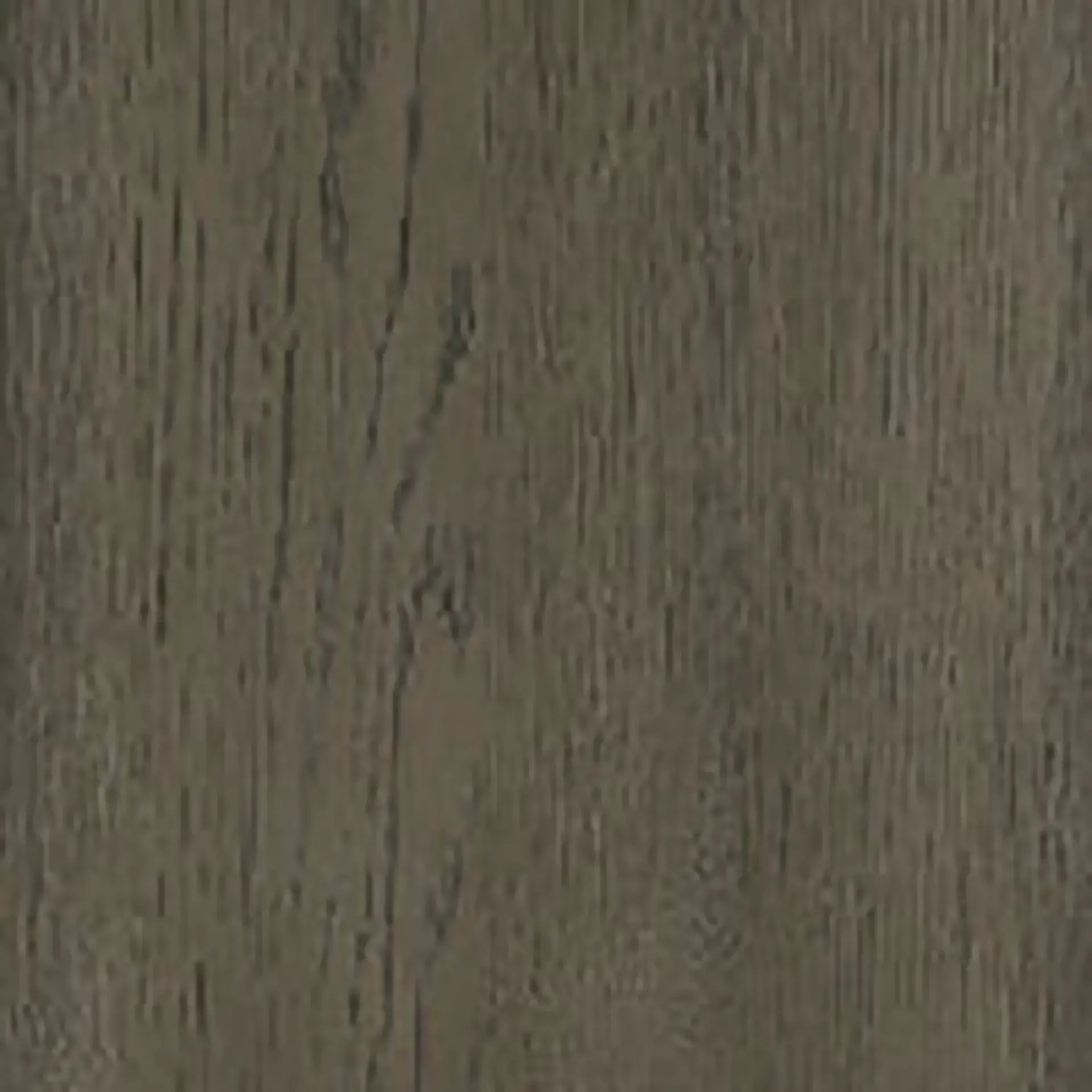
Oak Marone
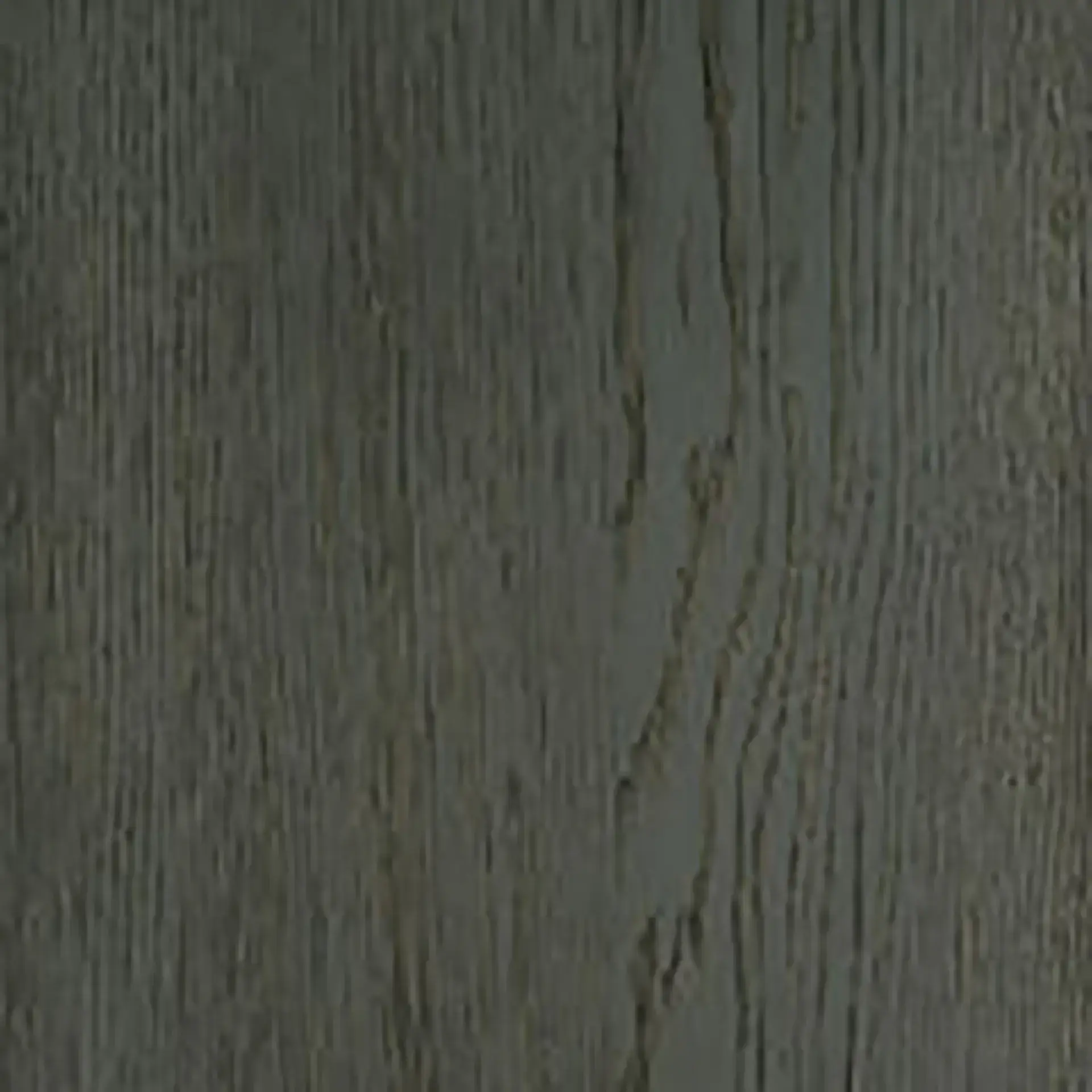
Oak Tonka
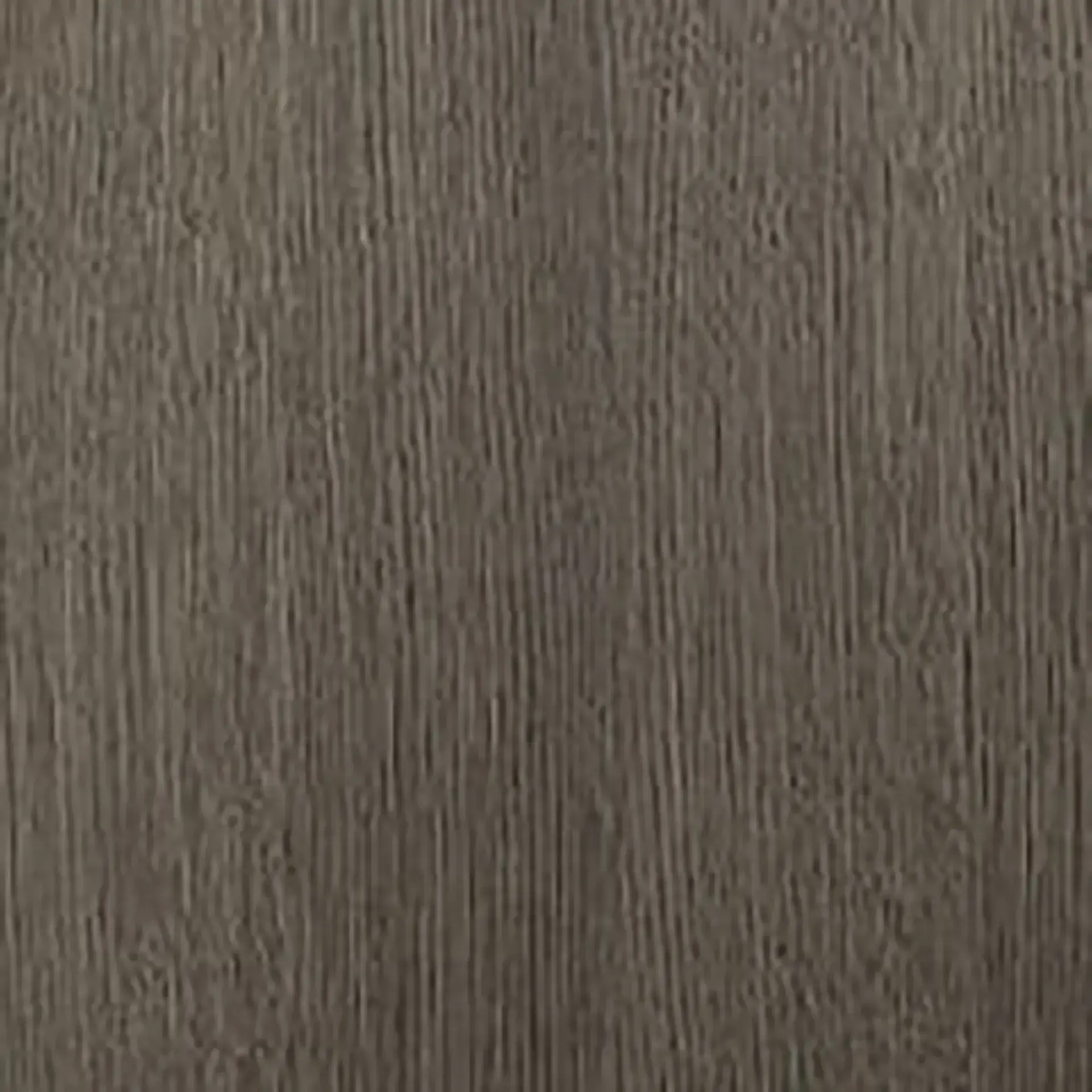
Oak Hazel Brown
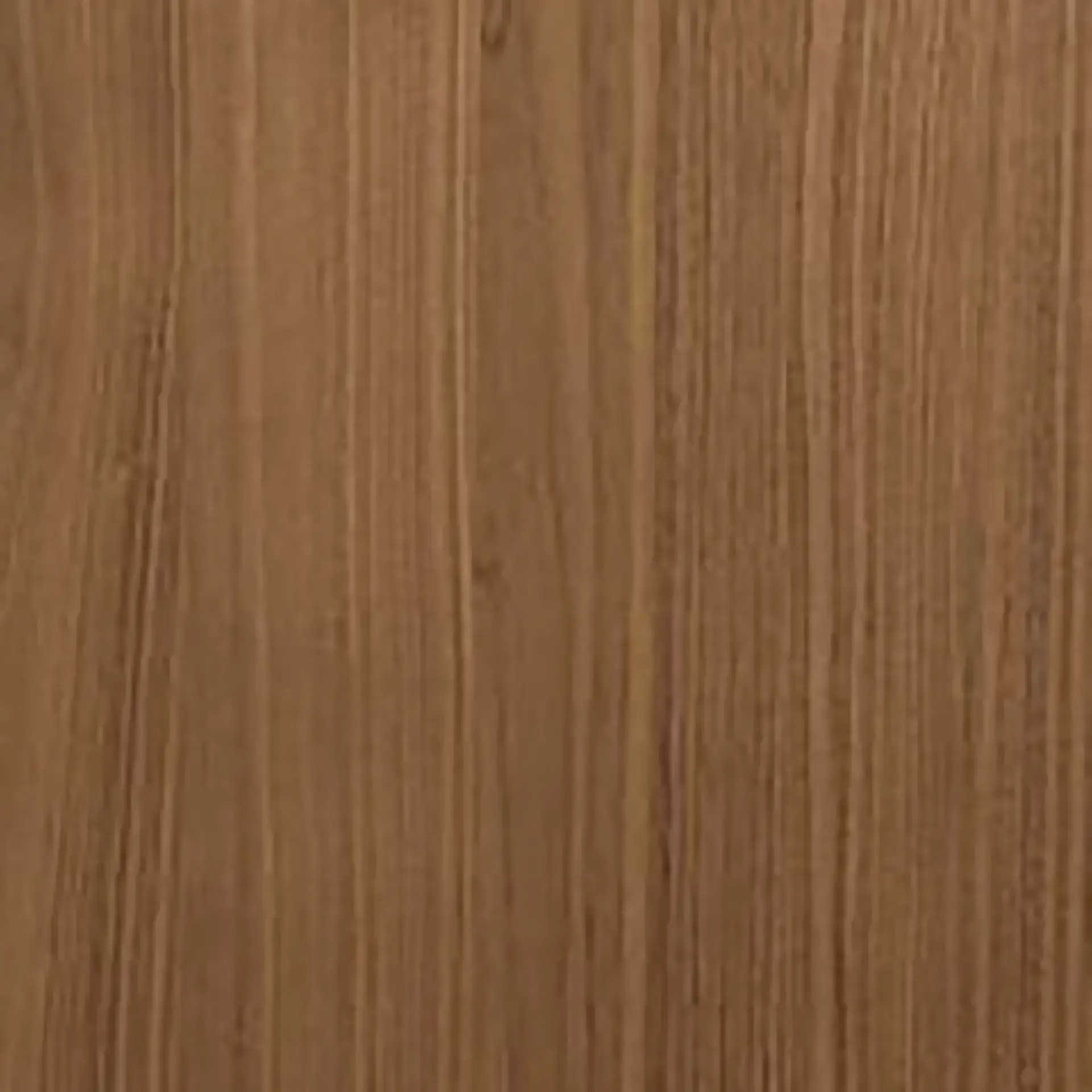
Natural Walnut
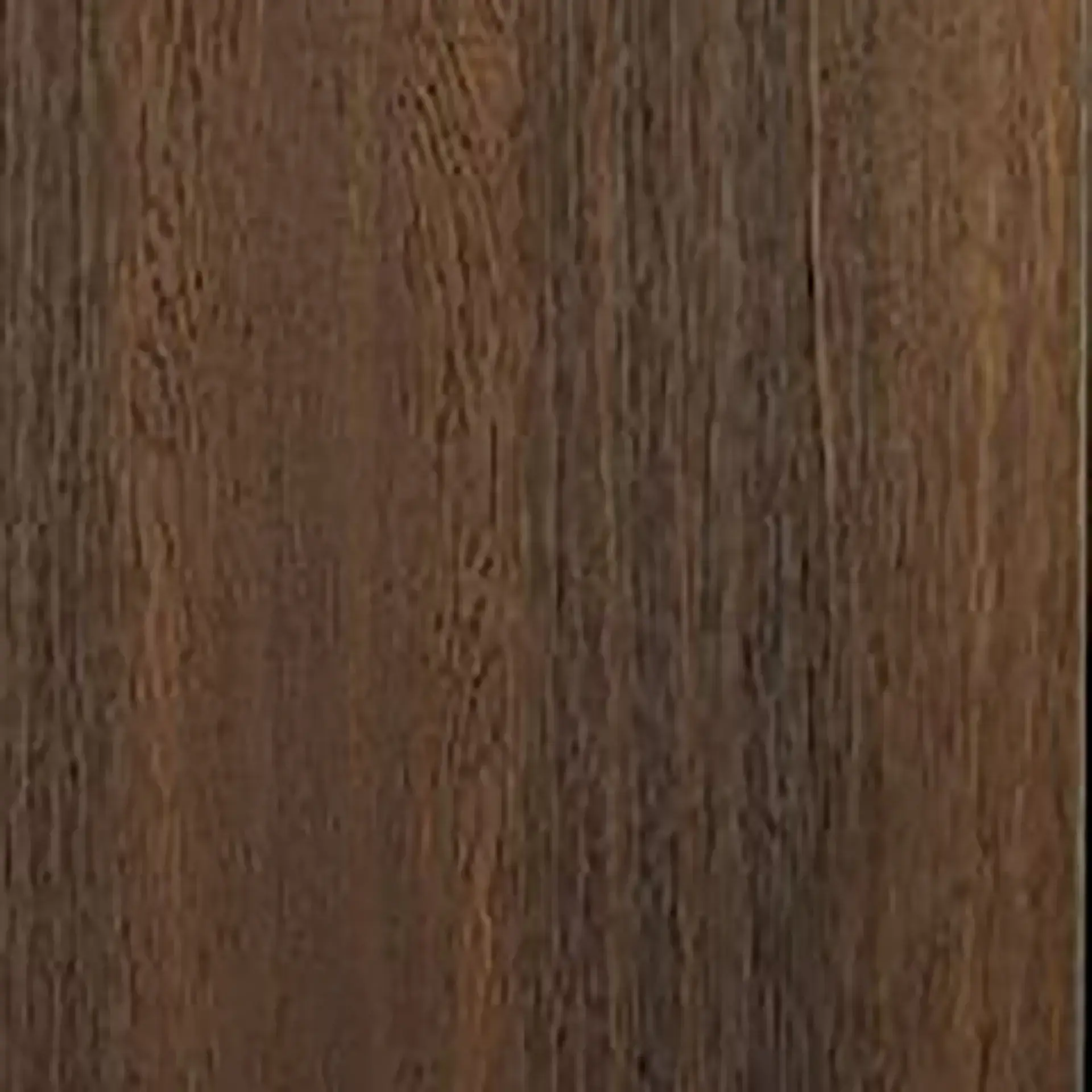
Smoked Oak
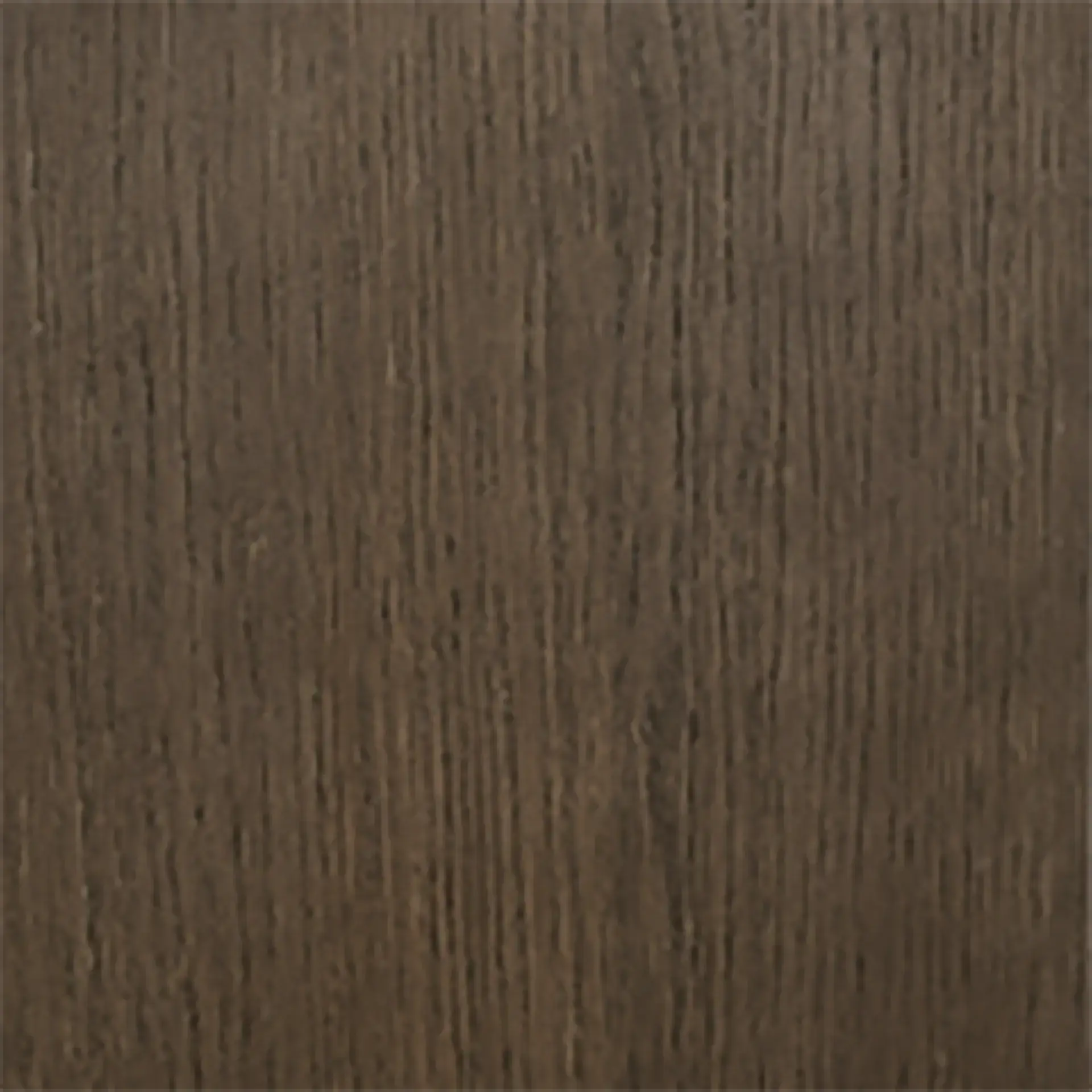
Graphite Oak
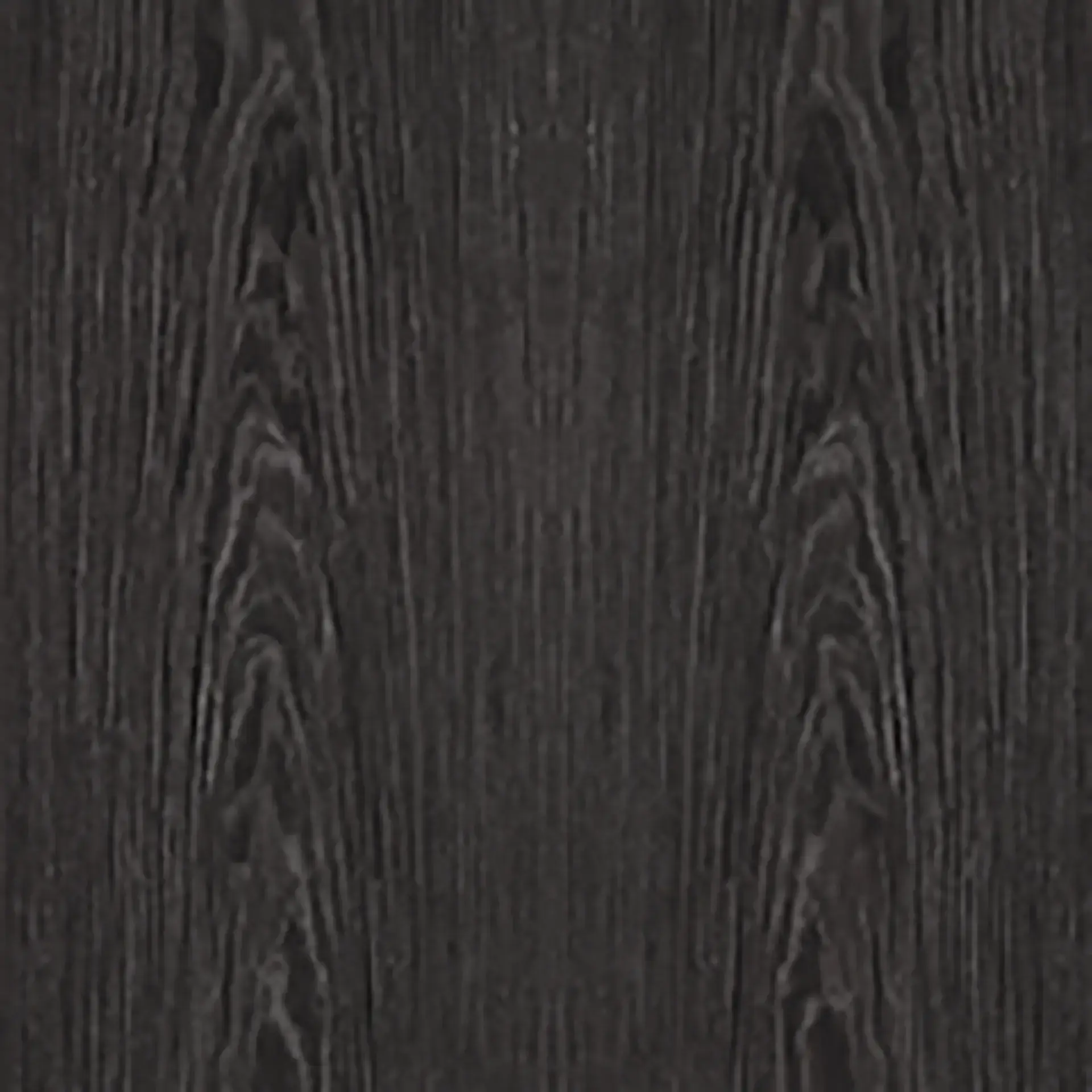
Flamed Nutmeg Oak
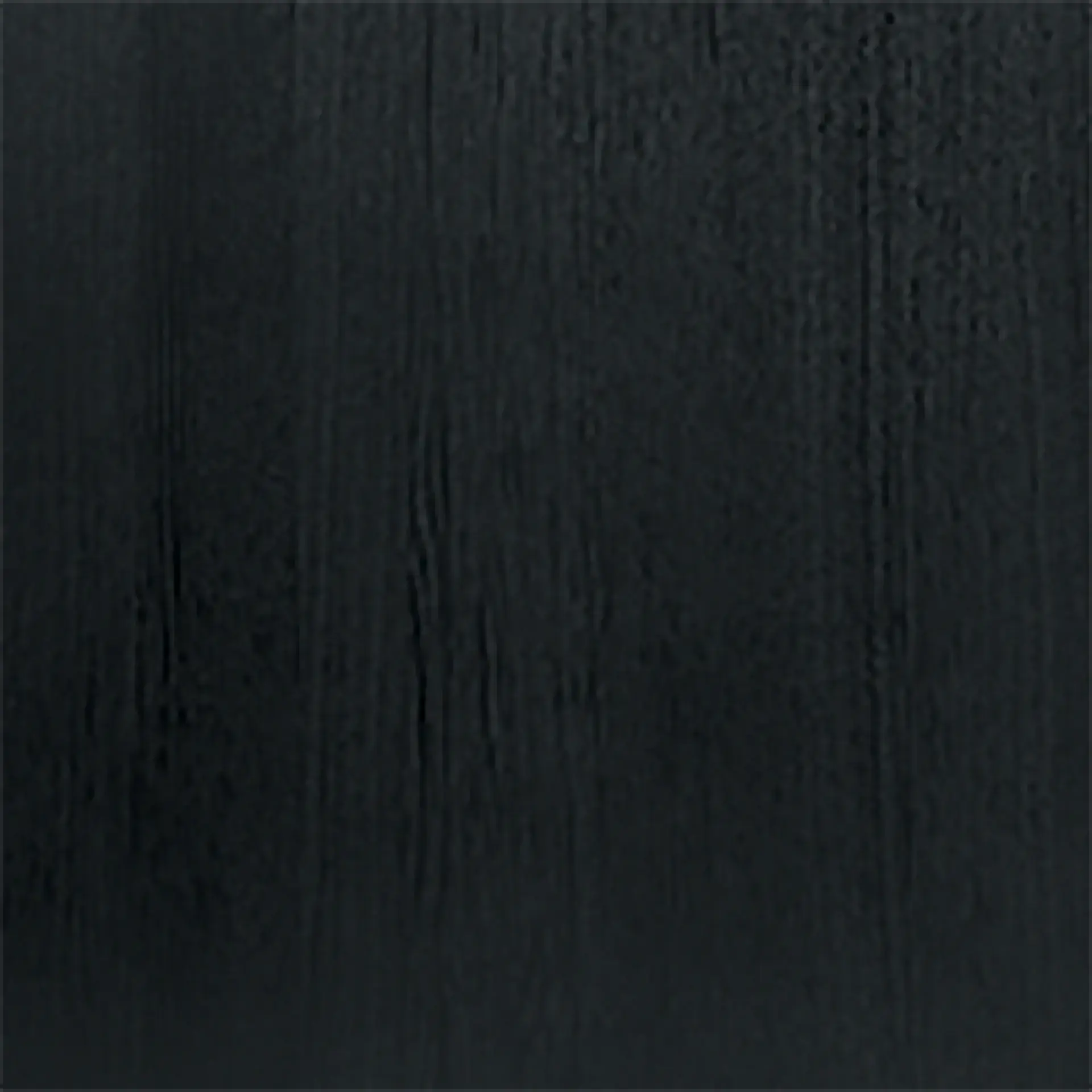
Oak Black
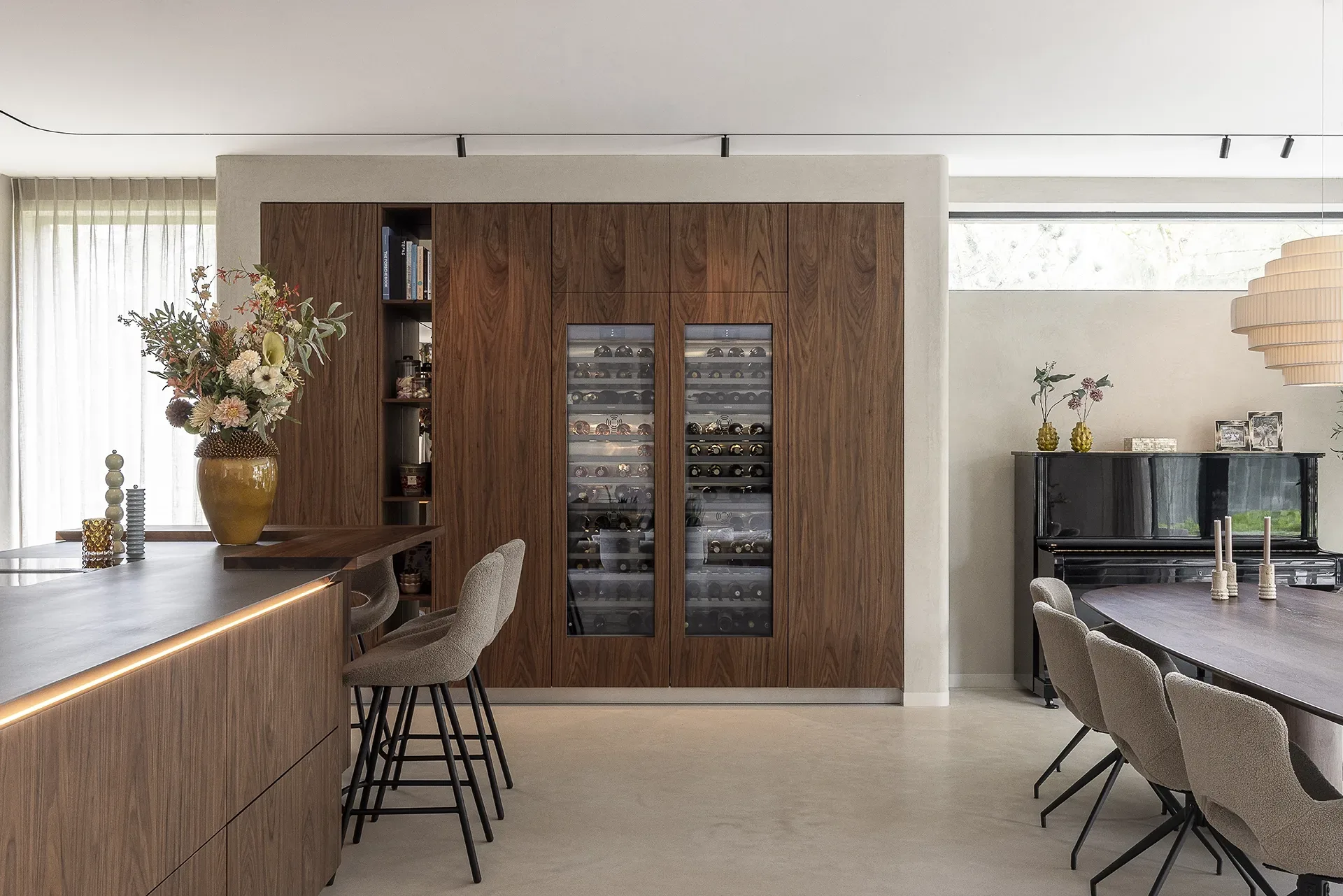
The effect of a continuous veneer pattern
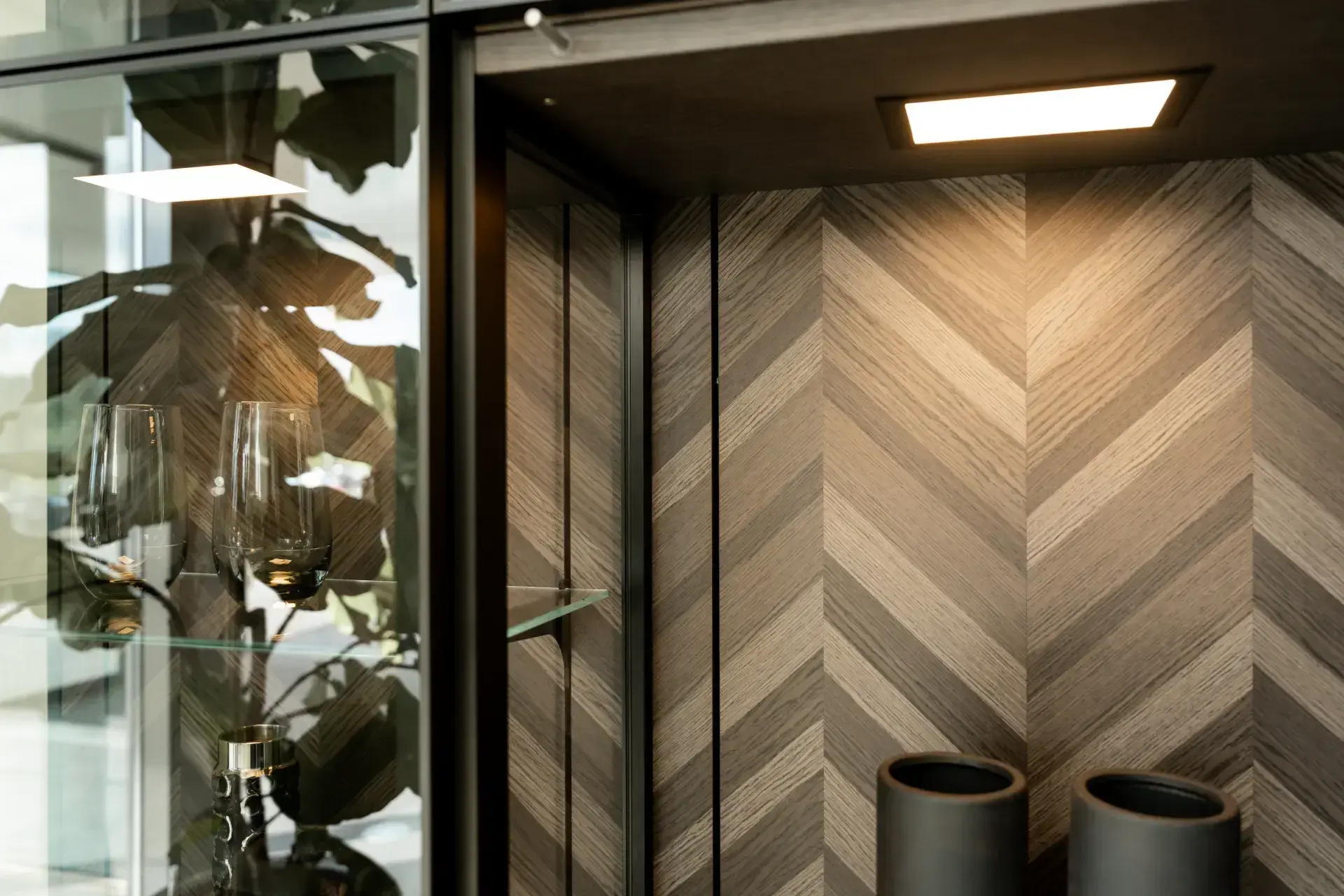
In a kitchen with multiple wooden cabinet fronts, the wood grain can flow seamlessly across different doors and drawers. SieMatic calls this Manufaktura veneer. The wood grain runs continuously, creating the impression that an entire cabinet wall or kitchen island is made from a single piece of wood. This technique requires a high degree of precision during production but gives the kitchen a calm and refined look. Depending on the design, the wood grain can be oriented horizontally or vertically.
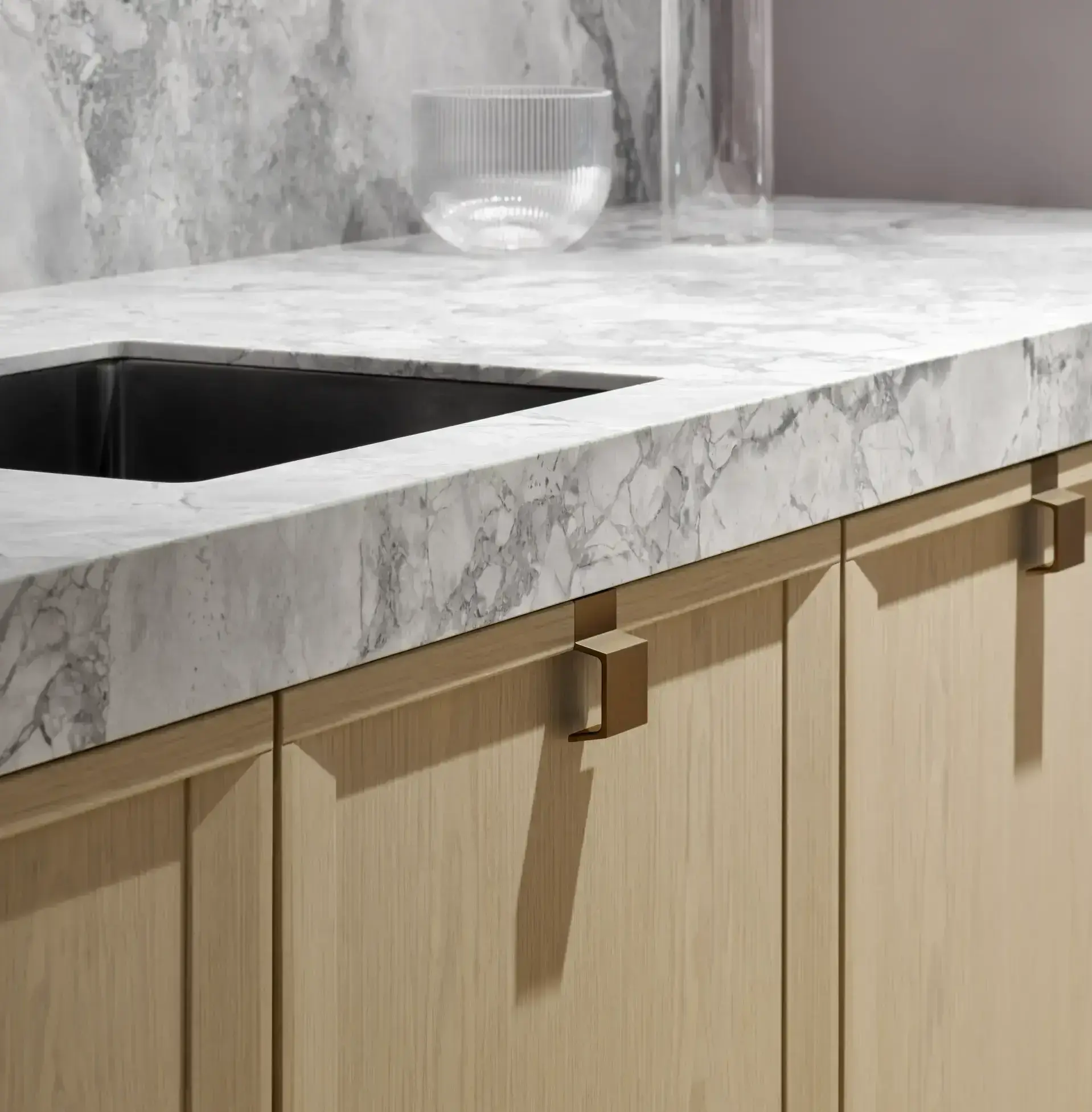
Wooden framed fronts for a sophisticated design
In addition to flat wooden fronts, SieMatic also offers modern framed fronts. Unlike classic, wide-framed doors, these fronts feature a slim wooden frame measuring just 6.5 millimeters. This gives the kitchen a refined look without making the design appear heavy.
The recessed inner panel adds subtle depth to the front. The framed fronts are available in various wood types, including Natural Walnut, Oak Amara, Oak Quartz, and Oak Hazel Brown. When combined with display cabinets, the result is a kitchen that resembles a stylish piece of furniture more than a traditional kitchen.
Practical Use and Maintenance in Everyday Life
Wood veneer is designed for everyday use. The fronts are finished with a matte protective coating that prevents grease and moisture from penetrating the wood directly. This makes them easy to clean with a soft, slightly damp cloth. It’s best to avoid abrasive cleaning products and harsh degreasers, as these can damage the protective coating.
Furthermore, fingerprints are less noticeable on wood with a textured surface than on completely smooth fronts. Keep in mind, however, that real wood is a natural product. Exposure to sunlight may cause the color to change slightly over time. This is a natural process that is part of real wood.
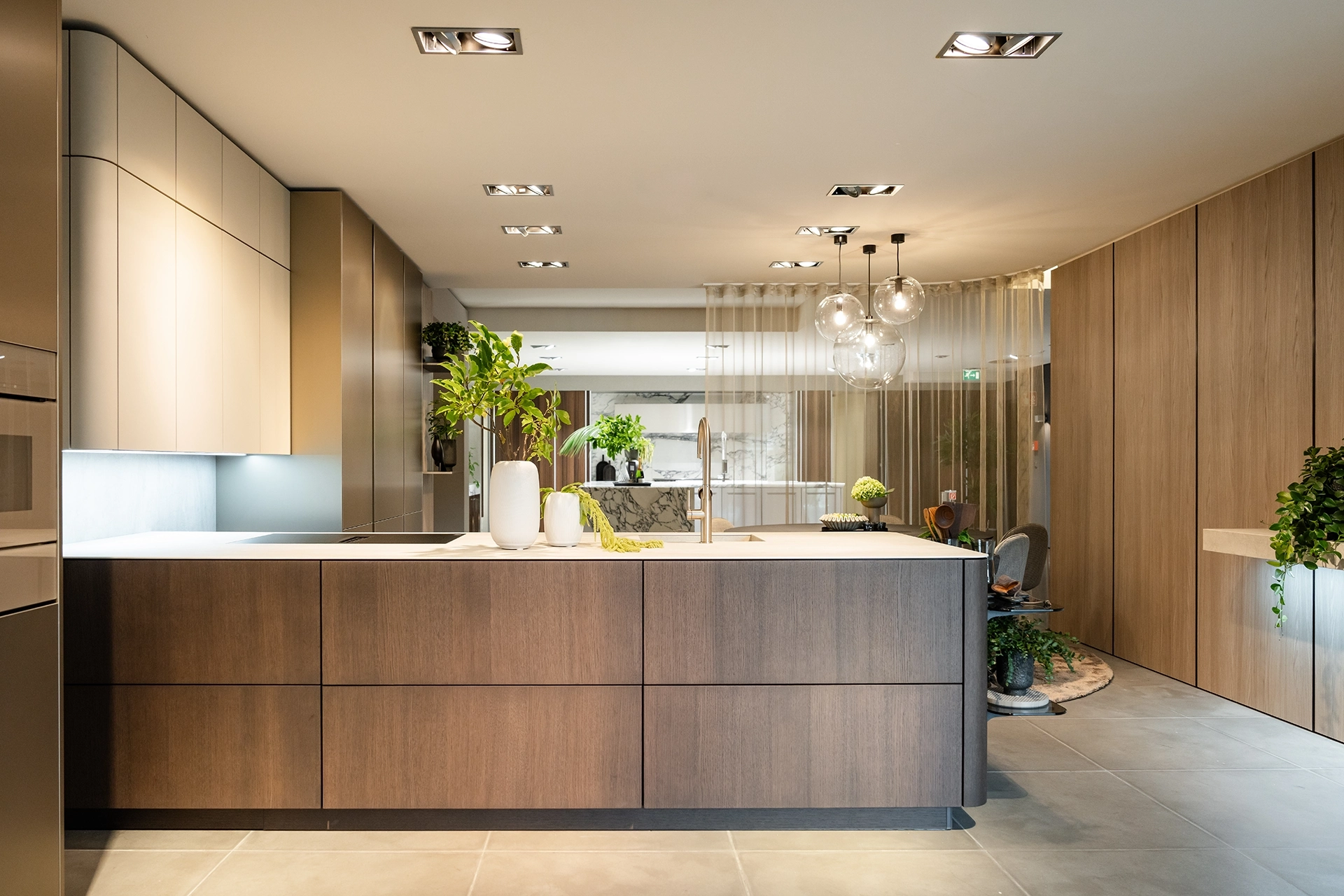


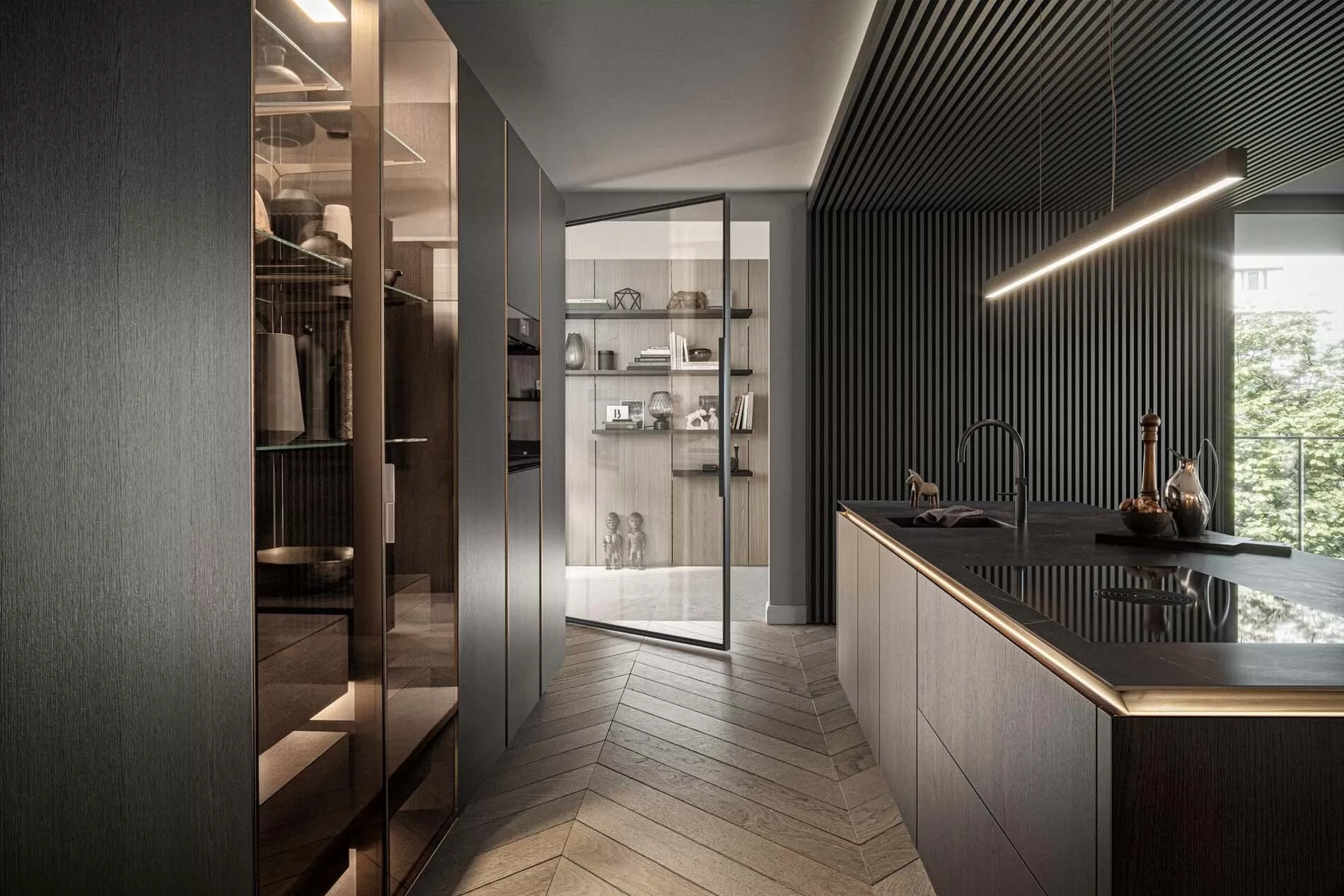

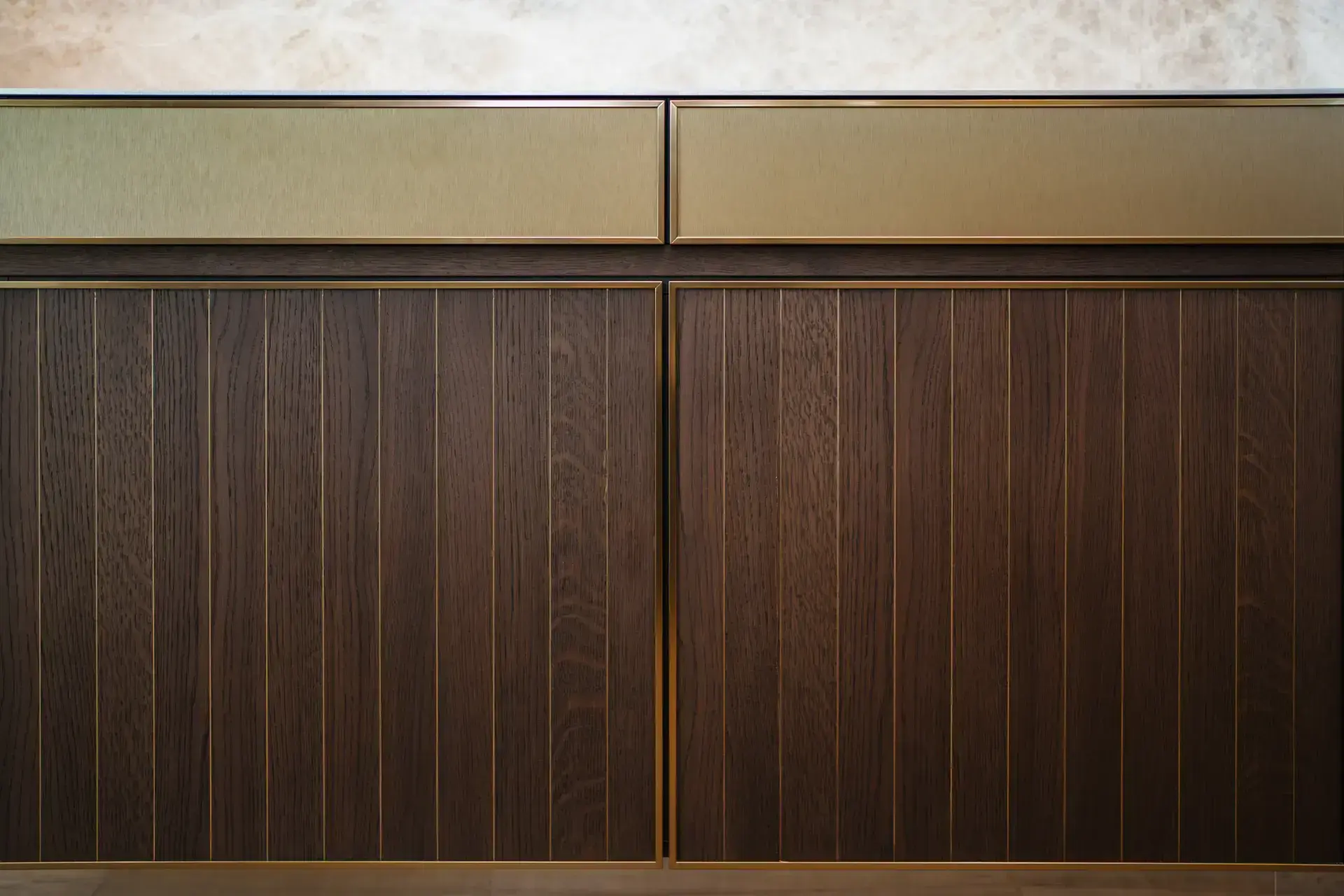
Wood-look plastic and real wood veneer are becoming increasingly similar. Modern wood finishes look realistic, are easy to maintain, and are often more affordable. This makes them a good choice for many kitchens. Still, you can see and feel the difference as soon as you place the materials side by side. Wood veneer has a natural grain, subtle color variations, and a texture you can feel. The wood’s appearance also changes with the light of day, giving the material more depth. If you’re looking for a low-maintenance solution with the look of wood, wood-look plastic is an excellent choice. If you want the warmth, texture, and character of real wood, wood veneer offers a look that cannot be fully replicated.
Price Expectations and Investment
Wood veneer is a natural material that requires more craftsmanship than a plastic or lacquered front. The wood veneers are carefully selected and finished, which results in a higher price. If you opt for additional refinements, such as thick veneer, Manufaktura veneer, or framed fronts, the investment increases further.
That doesn’t mean the entire kitchen has to be made of wood veneer. Many customers choose to use wood only on a kitchen island or cabinet wall and combine it with lacquer or other materials. This gives the kitchen the warm look of real wood while keeping the investment well balanced.
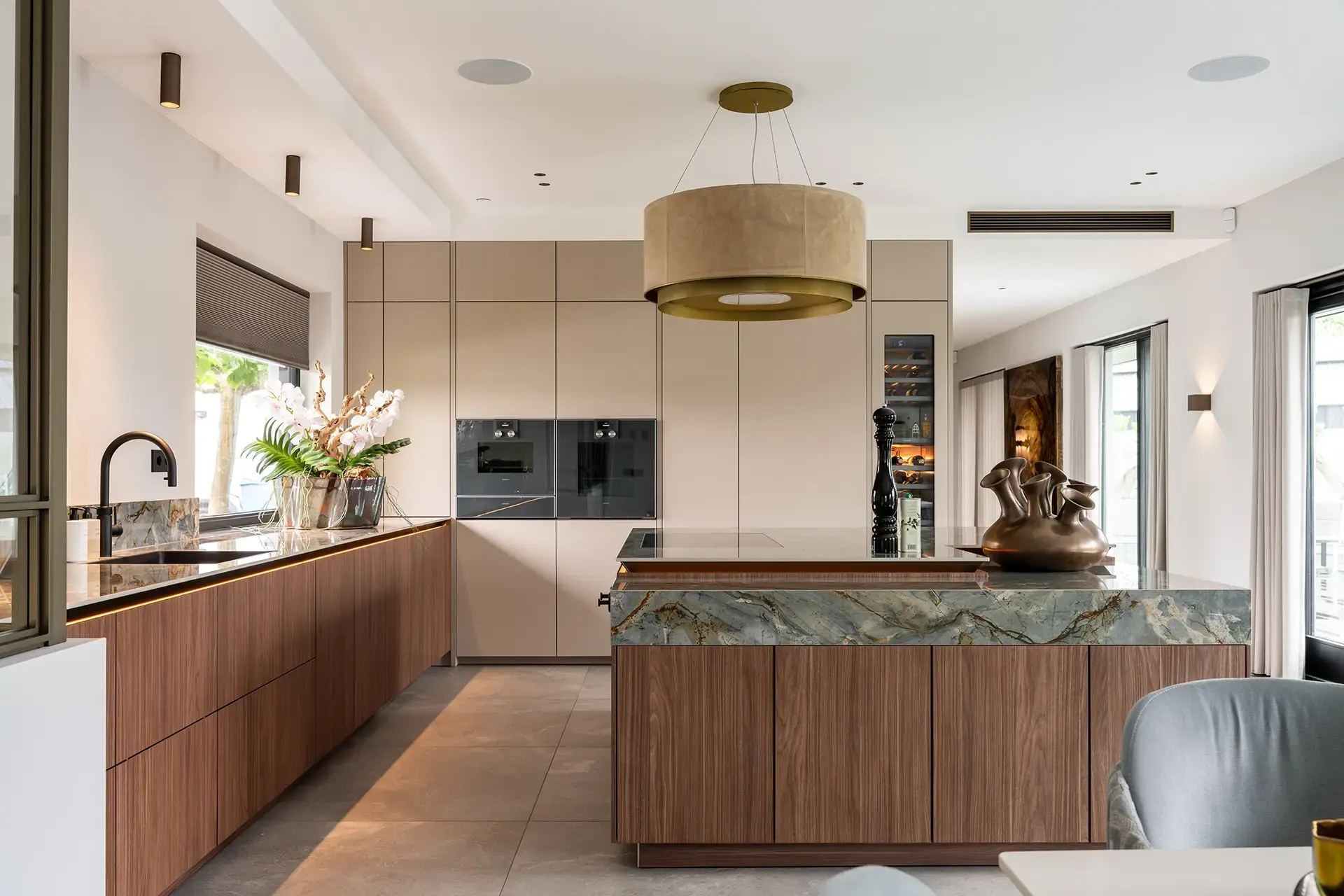
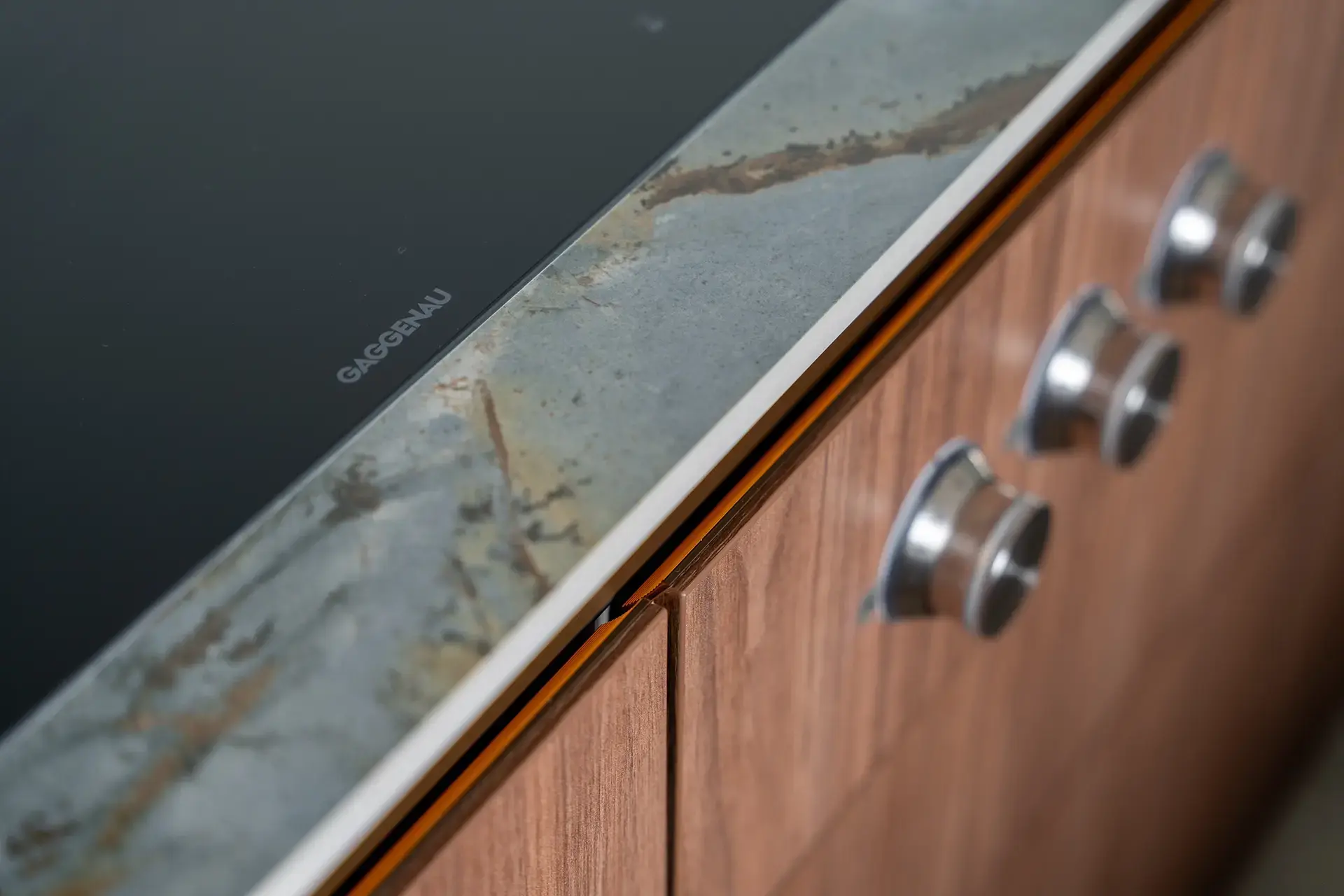
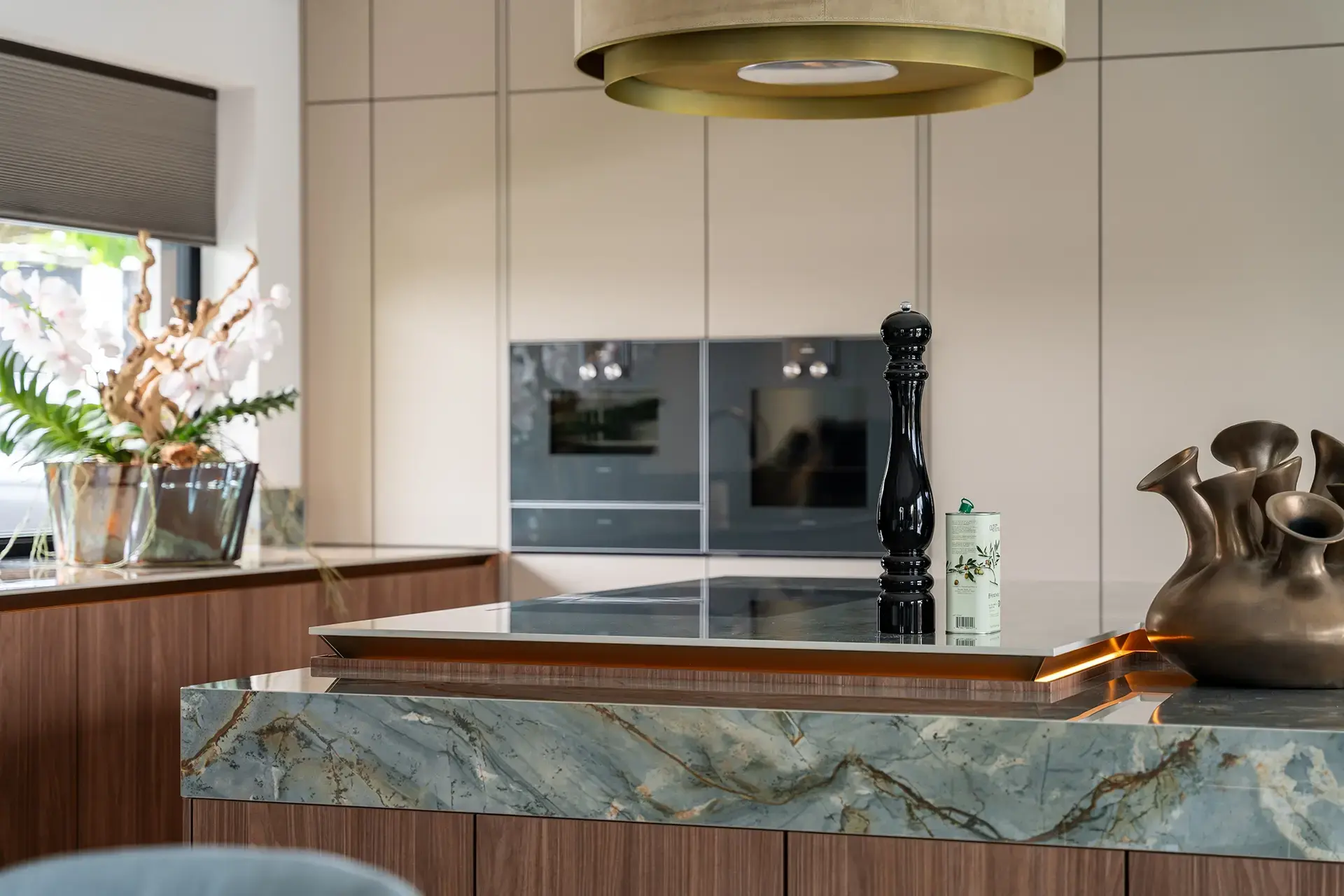
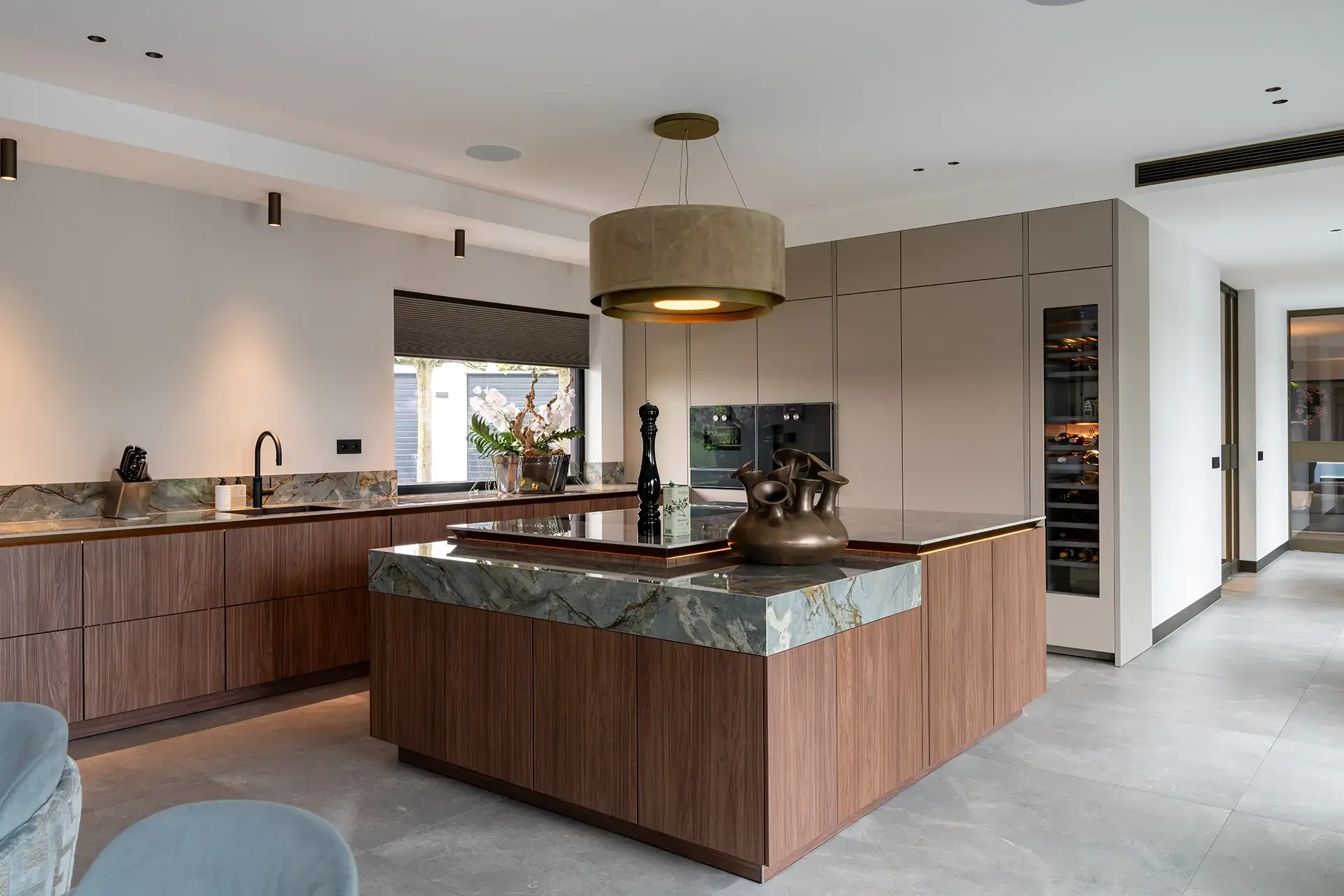
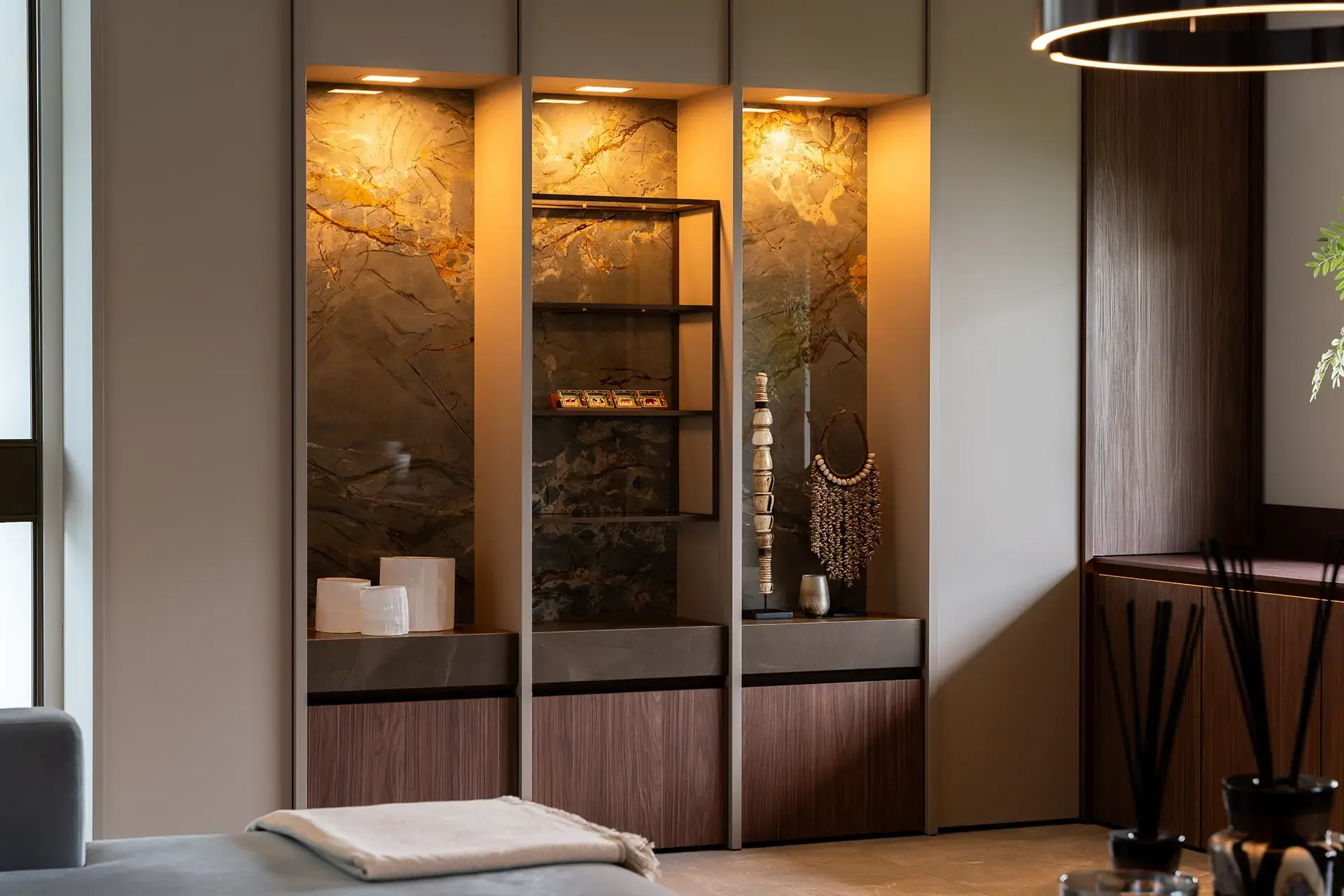
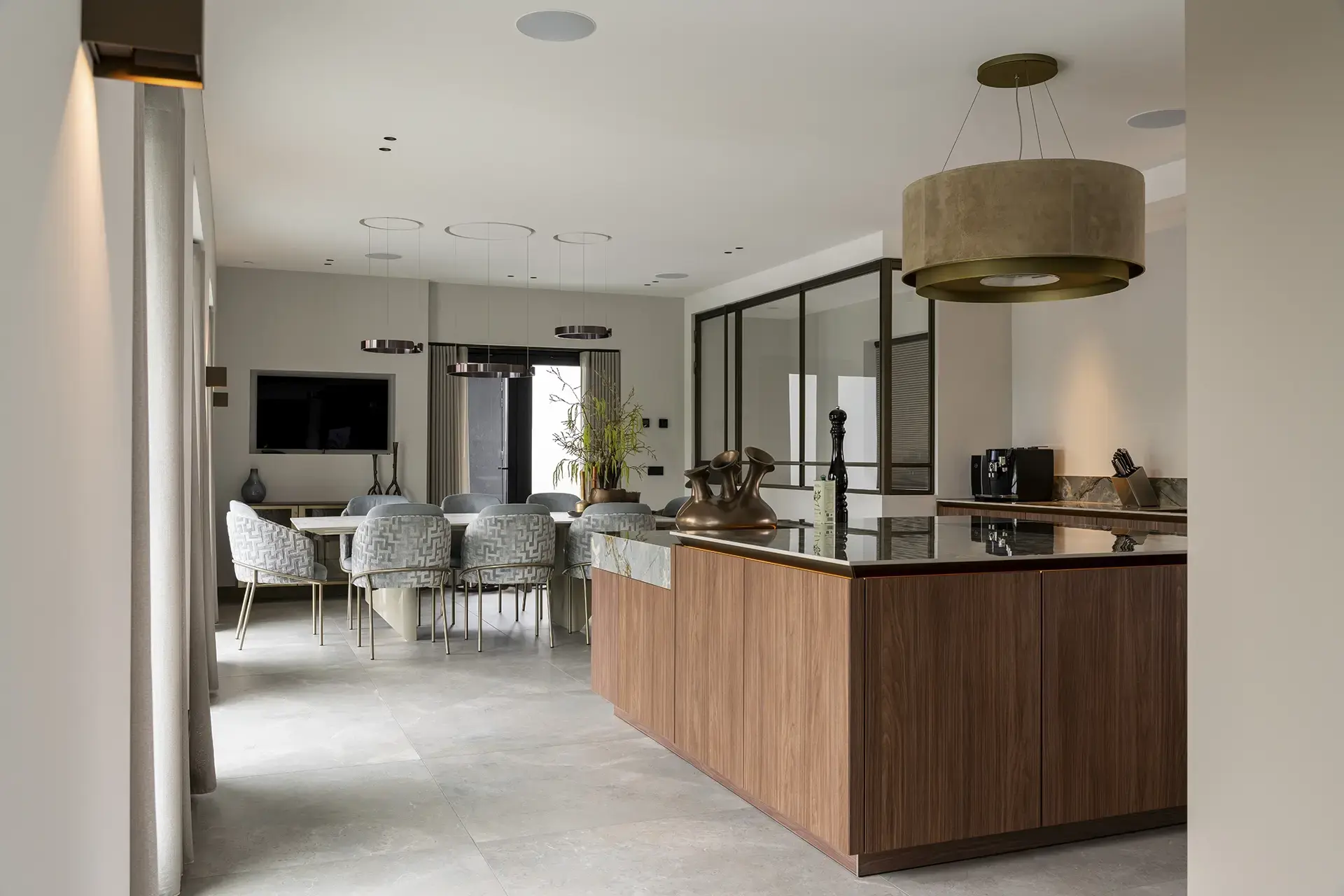
In this stylish SieMatic SLX kitchen in Aalsmeer, wood veneer plays a key role in the design’s aesthetic. The continuous wood grain on the tall cabinet wall creates a sense of calm and cohesion, while the warm wood tone contrasts beautifully with the clean lines of the kitchen design.
The project demonstrates how wood veneer can be incorporated into a modern open-concept kitchen without compromising the minimalist aesthetic for which SieMatic is known. View the full project and discover how materials, custom work, and architecture come together in this completed SieMatic kitchen.

Design your SieMatic kitchen with wood veneer
Photos give a good first impression, but you can only truly experience wood veneer when you feel its texture and see how the material reacts to light. In our SieMatic showrooms, you can view the various wood types, colors, and finishes and combine them with materials such as lacquer, stone, ceramic, and metal.
Our designers are happy to help you create a kitchen that suits your home, taste, and preferences. Make an appointment and discover which wood type best complements your kitchen design.