


SieMatic Ceramic: Colors, Finishes, and Applications
The properties of SieMatic ceramic
A ceramic countertop combines a sleek look with exceptional ease of use. Within the SieMatic collection, ceramic is a popular choice due to its high resistance to scratches, heat, and stains. In addition, the material offers plenty of design freedom thanks to the wide selection of colors, textures, and countertop thicknesses. On this page, you’ll discover the possibilities of ceramic countertops within the SieMatic collection.

Design Freedom in Thickness and Edge Finishes
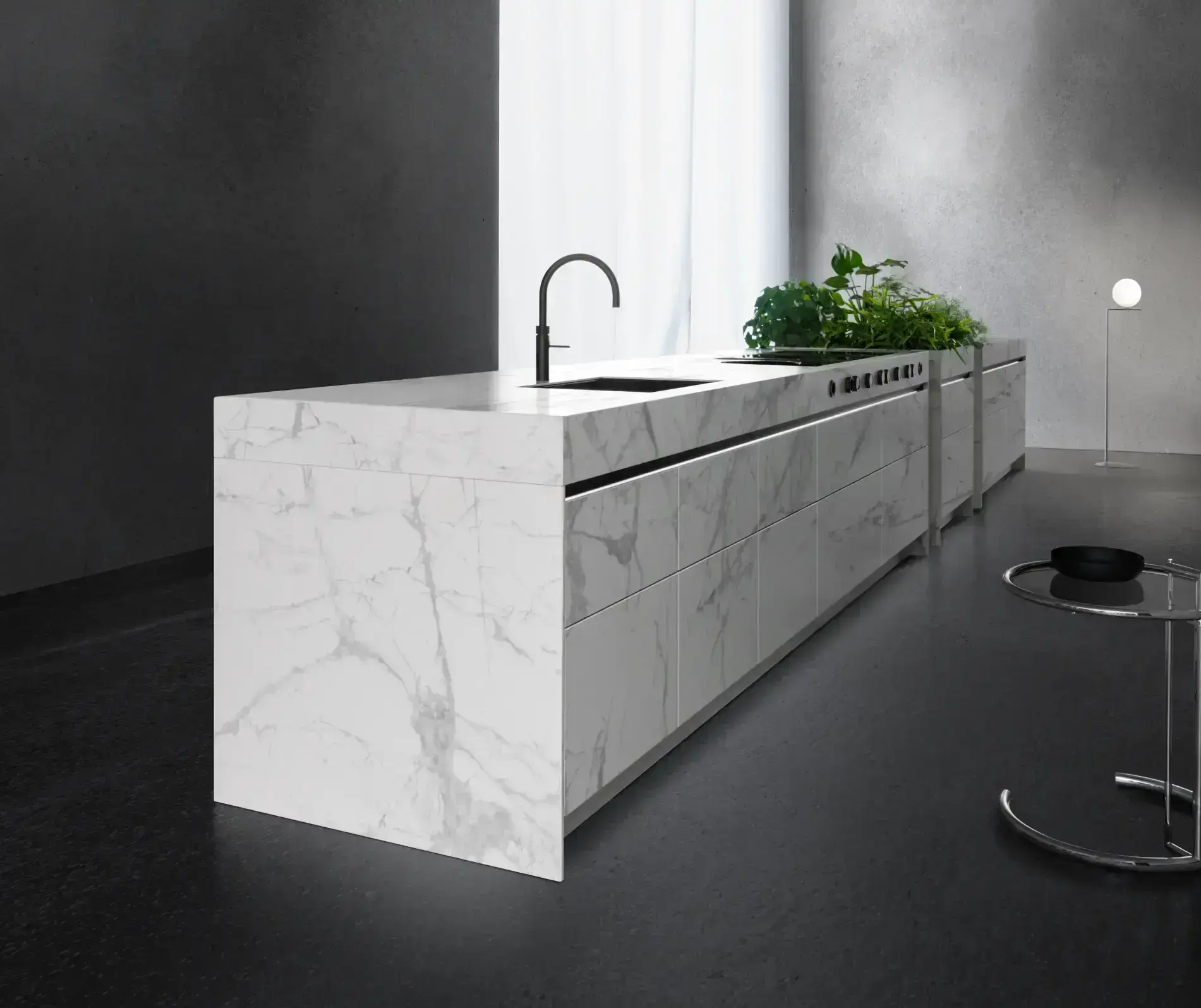
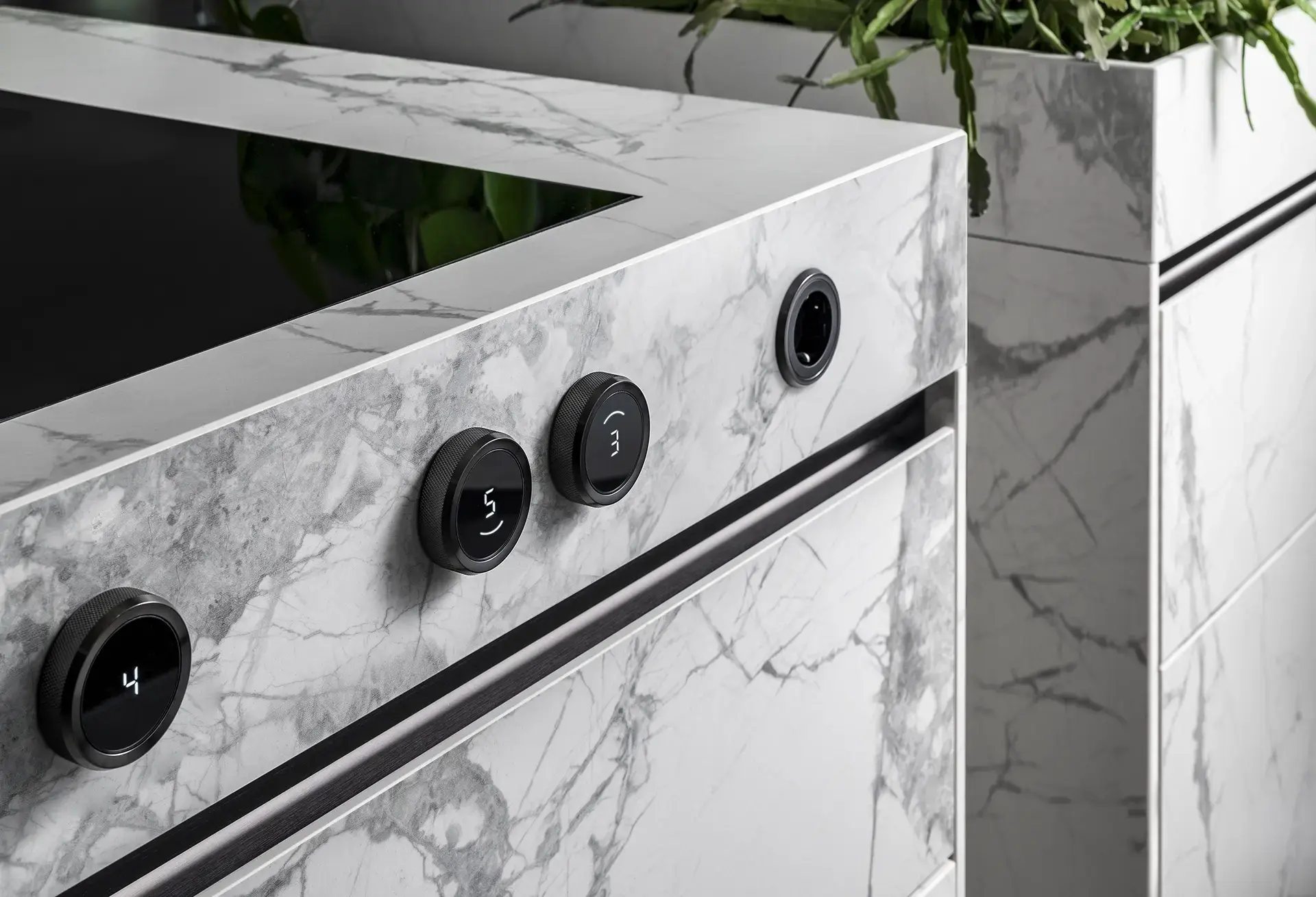
SieMatic’s ceramic countertops are crafted using the StoneDesign concept. This combines a high-quality ceramic top layer with a lightweight yet strong substructure. The result is a stable countertop that offers more design freedom than solid stone. Depending on the design, visual thicknesses range from 0.6 cm to approximately 14.2 cm. This allows the same material to take on either a minimalist look or a robust character. The edge finish can also be tailored to the kitchen’s style, for example with a clean, straight edge, a beveled edge, or a thickened edge.
Ceramic countertop
Practical benefits in everyday use
One of the biggest advantages of ceramic is its ease of use. The manufacturing process, which involves extremely high temperatures, creates a very hard surface that is highly resistant to scratches, heat, and daily use. In many cases, hot pans can be placed directly on the countertop, and stains from coffee, wine, oil, or lemon juice do not soak into the material. Because ceramic is completely non-porous, it does not absorb moisture and is also exceptionally hygienic. To protect your knives, we do recommend always using a cutting board.
Colors and patterns for your kitchen design
The look of a ceramic countertop is determined not only by its color, but also by the pattern and texture of the surface. Within the SieMatic collection, ceramic countertops are available in a variety of stone-look, concrete-look, and solid finishes—ranging from light shades with subtle patterns to dark surfaces with greater contrast and depth. Thanks to this variety, ceramic can be combined with different kitchen styles and materials. For example, a light-colored countertop often provides a calm foundation within a minimalist design, while a distinct veining pattern can serve as an eye-catching feature. Explore the available colors and finishes in the collection below.

Syros blanco

Savoia perla

Storm Gray

Savoia Gray
Vint

Storm Black
Ceramic vs. Natural Stone and Composite
Are you torn between ceramic, natural stone, or composite? Ceramic combines a natural look with a high degree of ease of use. While natural stone requires more maintenance, ceramic is completely non-porous and easy to keep clean. In addition, the material is highly heat-resistant and withstands daily use well. Composite offers consistent color and texture and, for many people, strikes a balance between natural stone and ceramic. Which material is best for you depends on your preferences regarding appearance, maintenance, and daily use. Are you curious about the possibilities of natural stone? Then be sure to check out our page on SieMatic stone.
Ceramic as part of kitchen design
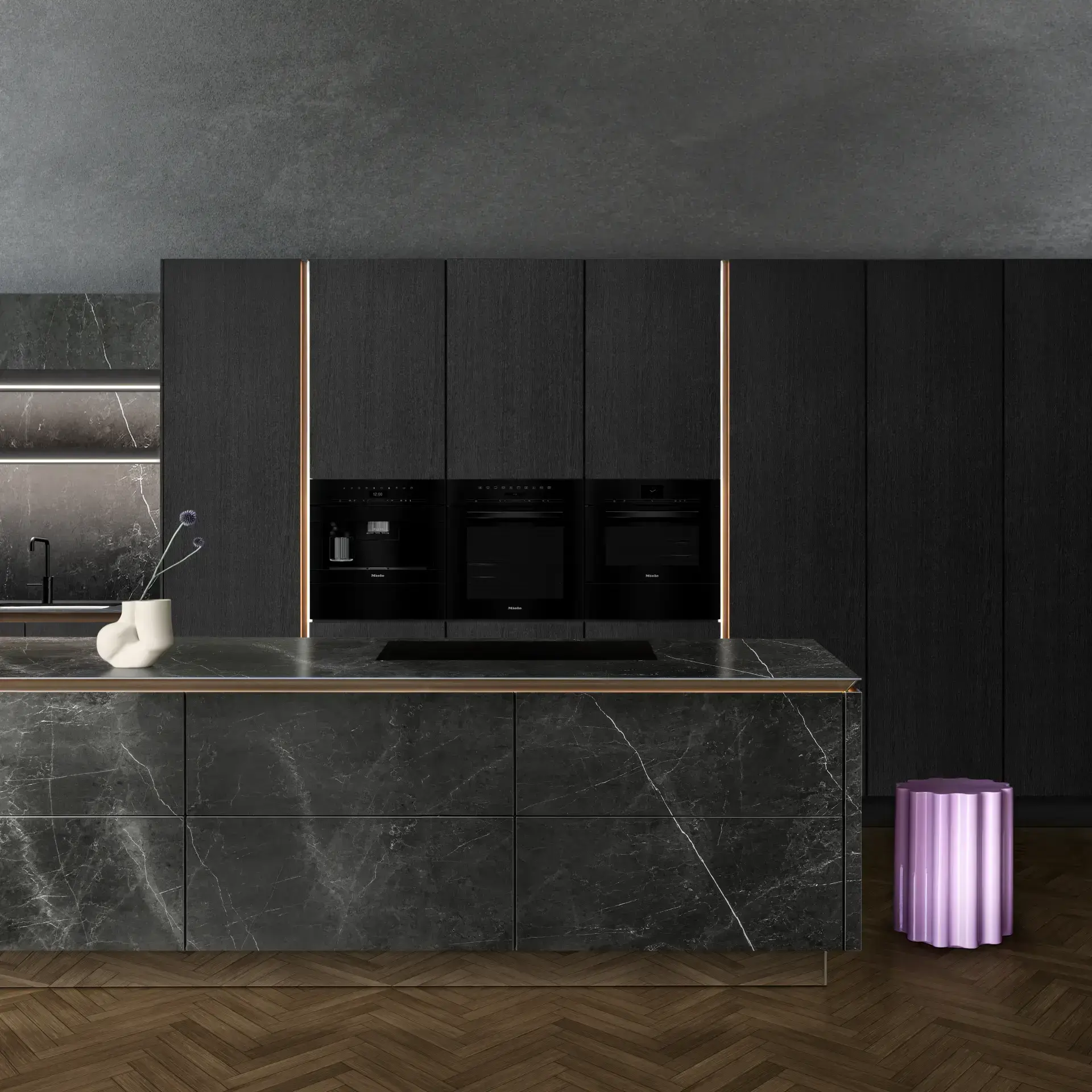
Ceramic is often associated with countertops, but within the SieMatic collection, the material is also used on cabinet fronts, side panels, and island cladding. This allows the same color and texture to be repeated across multiple surfaces. This consistent use of the material creates a sense of calm in the design and emphasizes the kitchen’s architecture. Particularly in minimalist designs from the PURE style world, ceramic is regularly used as a visible element of the overall design, rather than solely as a countertop material.

Discover SieMatic ceramics in our showroom
Colors, textures, and finishes truly come to life when you see and touch them for yourself. In a SieMatic showroom, you can compare different ceramic countertops, pair them with cabinet fronts, and examine the finishes up close. During a personal consultation, we’ll help you choose a color, countertop thickness, and edge finish that complement your interior, cooking habits, and preferences.